
Follow Carter Nursing and Rehabilitation on Facebook! Click Here

To see a list of frequently asked questions please Click Here

Carter | Nursing & Rehabilitation

Latest News

Latest News

Making Decisions for Someone at the End of Life

February 23, 2026

You are probably reading this because someone close to you is dying. You may wonder how you can comfort the person, prevent suffering, and provide the best quality of life possible in their remaining time. If the person can no longer communicate, you may be asked to make difficult decisions about their care and comfort. This can be overwhelming for family members, especially if they have not had a chance to discuss the person’s wishes ahead of time — or if multiple family members are involved and do not agree.

Addressing a person’s advance care wishes

If the person has written documents as part of an advance care plan, such as a do not resuscitate order, tell the doctor in charge as soon as possible. If end-of-life care is given at home, you will need a special out-of-hospital order, signed by a doctor, to ensure that emergency medical technicians, if called to the home, will respect the person’s wishes. Hospice staff can help determine whether a medical condition is part of the normal dying process or something that needs the attention of health care personnel.

For situations that are not addressed in a person’s advance care plan, or if the person does not have such a plan, you can consider different decision-making strategies to help determine the best approach for the person.

Decision-making strategies: Substituted judgment and best interests

Two approaches might be useful when you encounter decisions that have not been addressed in a person’s advance care plan or in previous conversations with them. One is to put yourself in the place of the person who is dying and try to choose as they would. This is called substituted judgment. Some experts believe that decisions should be based on substituted judgment whenever possible. Another approach, known as best interests, is to decide what you as their representative think is best for the dying person. This is sometimes combined with substituted judgment.

These two approaches are illustrated in the stories below.

Joseph and Leilani’s story

Joseph’s 90-year-old mother, Leilani, was in a coma after having a major stroke. The doctor said damage to Leilani’s brain was widespread and she needed to be put on a breathing machine (ventilator) or she would probably die. The doctor asked Joseph if he wanted that to be done. Joseph remembered how his mother disapproved when an elderly neighbor was put on a similar machine after a stroke. He declined, and his mother died peacefully a few hours later. This is an example of the substituted judgment approach.

Ali and Wadi’s story

Ali’s father, Wadi, is 80 years old and has lung cancer and advanced Parkinson’s disease. He is in a nursing facility and doesn’t recognize Ali when he visits. Wadi’s doctor suggested that surgery to remove part of one of Wadi’s lungs might slow down the course of the cancer and give him more time. But, Ali thought, “What kind of time? What would that time do for Dad?” Ali decided that putting his dad through surgery and recovery was not in Wadi’s best interests. After talking with Wadi’s doctors, Ali believed that surgery, which could cause additional pain and discomfort, would not improve his father’s quality of life. This is an example of the best interests decision-making approach.

If you are making decisions for someone at the end of life and are trying to use one of these approaches, it may be helpful to think about the following questions:

  • Have they ever talked about what they would want at the end of life?
  • Have they expressed an opinion about someone else’s end-of-life treatment?
  • What were their values and what gave meaning to their life? Maybe it was being close to family and making memories together. Or perhaps they loved the outdoors and enjoyed nature. Are they still able to participate in these activities?

If you are making decisions without specific guidance from the dying person, you will need as much information as possible to help guide your actions. Remember that the decisions you are faced with and the questions you may ask the person’s medical team can vary depending on if the person is at home or in a care facility or hospital. You might ask the doctor:

  • What might we expect to happen in the next few hours, days, or weeks if we continue our current course of treatment?
  • Will treatment provide more quality time with family and friends?
  • What if we don’t want the treatment offered? What happens then?
  • When should we begin hospice care? Can they receive this care at home or at the hospital?
  • If we begin hospice, will the person be denied certain treatments?
  • What medicines will be given to help manage pain and other symptoms? What are the possible side effects?
  • What will happen if our family member stops eating or drinking? Will a feeding tube be considered? What are the benefits and risks?
  • If we try using the ventilator to help with breathing and decide to stop, how will that be done?

It is a good idea to have someone with you when discussing these issues with medical staff. That person can take notes and help you remember details. Don’t be afraid to ask the doctor or nurse to repeat or rephrase what they said if you are unclear about something they told you. Keep asking questions until you have all the information you need to make decisions. If the person is at home, make sure you know how to contact a member of the health care team if you have a question or if the dying person needs something.

It can be difficult for doctors to accurately predict how much time someone has left to live. Depending on the diagnosis, certain conditions, such as dementia, can progress unpredictably. You should talk with the doctor about hospice care if they predict your loved one has six months or less to live.

Cultural considerations at the end of life

Everyone involved in a patient’s care should understand how a person’s history and cultural and religious background may influence expectations, needs, and choices at the end of life. Different cultural and ethnic groups may have various expectations about what should happen and the type of care a person receives. The doctor and other members of the health care team may have different backgrounds than you and your family. Discuss your personal and family traditions surrounding the end of life with the health care team.

A person’s cultural background may influence comfort care and pain management at the end of life, who can be present at the time of death, who makes the health care decisions, and where they want to die.

It’s crucial that the health care team knows what is important to your family surrounding the end of life. You might say:

  • In my religion, we . . . (then describe your religious traditions regarding death).
  • Where we come from . . . (tell what customs are important to you at the time of death).
  • In our family when someone is dying, we prefer . . . (describe what you hope to happen).

Make sure you understand how the available medical options presented by the health care team fit into your family’s desires for end-of-life care. Telling the medical staff ahead of time may help avoid confusion and misunderstandings later. Knowing that these practices will be honored could comfort the dying person and help improve the quality of care provided.

Discussing a care plan

Having a care plan in place at the end of life is important in ensuring the person’s wishes are respected as much as possible. A care plan summarizes a person’s health conditions, medications, health care providers, emergency contacts, end-of-life care wishes, such as advance directives, and other decisions. A care plan may also include your loved one’s wishes after they die, such as funeral arrangements and what will be done with their body. It’s not uncommon for the entire family to want to be involved in a person’s care plan at the end of life. Maybe that is part of your family’s cultural tradition. Or, maybe the person dying did not pick a person to make health care choices before becoming unable to do so, which is also not unusual.

If one family member is named as the decision-maker, it is a good idea, as much as possible, to have family agreement about the care plan. If family members can’t agree on end-of-life care or they disagree with the doctor, your family might consider working with a mediator. A mediator is a professional trained to bring people with different opinions to a common decision. Clinicians trained in palliative care often conduct family meetings to help address disagreements around health care decisions.

Regardless, your family should try to discuss the end-of-life care they want with the health care team. In most cases, it’s helpful for the medical staff to have one person as the main point of contact.

Here are some questions you might want to ask the medical staff when making decisions about a care plan:

  • What is the best place — such as a hospital, facility, or at home — to get the type of care the dying person wants?
  • What decisions should be included in our care plan? What are the benefits and risks of these decisions?
  • How often should we reassess the care plan?
  • What is the best way for our family to work with the care staff?
  • How can I ensure I get a daily update on my family member’s condition?
  • Will you call me if there is a change in his or her condition?
  • Where can we find help paying for this care?

There may be other questions that arise depending on your family’s situation. It’s important to stay in contact with the health care team.

To learn more, please visit https://www.nia.nih.gov/health/end-life/making-decisions-someone-end-life.

How To Find Reliable Health Information Online

February 17, 2026

Many older adults share a common concern: “Can I trust the health information I find online?” There are thousands of medical websites. Some provide up-to-date medical news and reliable health information, and some do not. Choosing trustworthy websites is an important step in gathering reliable health information.

Where can I find reliable health information online?

The National Institutes of Health website is a good place to start for reliable health information. The Centers for Disease Control and Prevention website is another one.

As a rule, health websites sponsored by federal government agencies are accurate sources of information. You can reach all federal websites by visiting www.usa.gov. Medical and health care organizations, hospitals, and academic medical institutions may also be reliable sources of health information.

Your health care provider can also suggest ideal sources of online information. If your doctor’s office has a website, it may include a list of recommended links.

Questions to ask before trusting a website

Searching online, you will likely find websites for multiple health organizations, including many you may not recognize. The following questions can help determine which ones are trustworthy. Many of the answers can often be found in a website’s “About Us” section.

1. What is the purpose of the website, and who owns or sponsors it?

Why was the site created? Is the purpose of the site to inform or explain, or is it trying to sell a product or service? Understanding the motive of the website can help you better judge its content. The goal of any trustworthy health information website is to provide accurate, current, and useful information versus trying to make a sale.

Knowing who pays for a website may provide you with insight into the mission or goal of the site. For example, if a business pays for the site, the health information may favor that business and its products. Sometimes, the website address (called a URL) is helpful for identifying the type of agency or organization that owns the site. For example:

  • .gov identifies a U.S. government agency
  • .edu identifies an educational institution, such as a school, college, or university
  • .org usually identifies nonprofit organizations, such as medical or research societies and advocacy groups
  • .com identifies commercial websites, such as businesses and pharmaceutical companies

While many commercial websites do provide accurate, useful health information, it can be hard to distinguish this content from marketing and promotional materials in some cases. Any advertisements on a site should be clearly marked as such. Watch out for ads designed to look like neutral health information.

2. Who wrote the information? Who reviewed it?

Website pages often, but not always, identify the authors and contributors. If the author is listed, are they an expert in the field? Look for health care professionals or scientific researchers with in-depth knowledge of the topic. Does the author work for an organization and, if so, what are the goals of that organization? A contributor’s connection to the website, and any financial stake they have regarding the information on the website, should be made clear.

If the material is not authored by an expert, has the information been reviewed by a health care professional or other credentialed specialist? Dependable health information websites will share sources and citations.

Trustworthy websites will also have contact information — an email address, phone number, and/or mailing address — that you can use to reach the site’s sponsor. Look for this information at the bottom of web pages or in a separate “About Us” or “Contact Us” page.

Be cautious about testimonials, individual blogs, and posts on discussion boards. Personal stories may be helpful and comforting, but not everyone experiences health problems the same way. Also, there is a big difference between information written by a single person interested in a topic and a website developed by professionals using researched and peer-reviewed scientific evidence.

No online information, even if it is accurate and trustworthy, should replace seeing a health care professional who can thoroughly evaluate your unique situation and provide specific advice.

3. When was the information written and updated?

Look for websites that stay current with their health information. You don’t want to make decisions about your care based on out-of-date content. Often, the date the information was created and reviewed or updated will appear at the bottom of the page. Pages on the same site may be updated at different times, and some may be updated more often than others. Older information isn’t useless, but using the most current, evidence-based information is ideal.

4. Is your privacy protected? Does the website clearly state a privacy policy?

Read the website’s privacy policy. It is usually at the bottom of the page or on a separate page titled “Privacy Policy” or “Our Policies.” If a website says it uses “cookies,” your information may not be private. Cookies are small text files that enable a website to collect and remember information about your visit. While cookies may enhance your web experience, they can also compromise your online privacy, so it is important to read about the information the website collects and how the organization will use it. Many websites will ask you ahead of time if you want to accept cookies, but others may not. If you are concerned about the potential use of information gathered by cookies, you can choose to disable the use of cookies through your internet browser settings.

5. How can I protect my health information?

If you are asked to share personal information, be sure to find out how the information will be used. Secure websites that collect personal information responsibly have an “s” after “http” in the start of their website addresses (https://) and often require that you create a username and password.

Be careful about sharing your Social Security number. Find out why your number is needed, how it will be used, and what will happen if you do not share this information. Only enter your Social Security number on secure websites. You might consider calling your doctor’s office or health insurance company to give this information over the phone rather than providing it online.

Taking these precautions may help protect your information:

  • Beware of health fraud scams and pay attention when browsing the internet. Do not open unexpected links. Hover your mouse over a link to confirm that clicking it will take you to a reputable website.
  • Always use a strong password. Include a variation of numbers, letters, and symbols. Some websites may allow you to use a phrase as well. Create a unique password for each website and change it frequently.
  • Use two-factor authentication when you can. This security feature requires the use of two different types of personal information to log into your mobile devices or accounts.
  • Don’t enter sensitive information over public Wi-Fi. Learn about how to safely use public Wi-Fi networks.
  • Be careful about the information you share through social media sites. For example, don’t share personal information, such as where you live or your contact information, on a public channel.

6. Does the website offer quick and easy solutions to your health problems? Does it promise miracle cures?

  • Be cautious about websites claiming any single remedy will cure many different illnesses. Also be wary of sites suggesting simple or unproven treatments for a disease. Question dramatic writing or promises of cures that seem too good to be true and look for other websites with the same information. Even if a website links to a trustworthy source, it doesn’t mean that the site has the other organization’s endorsement or support.
Health and medical apps

Mobile medical applications (“apps”) are a type of software you can install and run on your smartphone. Medical apps can support your health in many ways. For example, they can help track your eating habits or physical activity, access test results from a lab, or monitor a health condition. They can also provide helpful reminders to exercise or take medications. But anyone can develop a health app — for any reason — and apps may include inaccurate or misleading information. Before you download or use an app, make sure you know who produced it.

When you download an app, it may ask for your location, your email, or other personal information. Apps may also collect data about you as you use them. Ensure the information collected is relevant to the app, you know how the information will be used, and you feel comfortable sharing this information. Responsible app developers will make this information readily available before you download it.

Social media, health news, and health books

Social media websites and apps are online communities through which people can connect with friends, family, and strangers. Social media is one way people share health information and news stories with each other. Some of this information may be true, but too often some of it is not. Recognize that just because a post is from a friend or colleague, it does not necessarily mean that the information is accurate, complete, or applicable to your health. Check the source of the information, and make sure the original author is credible. Fact-checking websites can also help you determine if a story is reliable.

Evaluating health information in books is similar to finding reliable information on websites or on social media. Make sure to check who wrote the book, how current the information is, and where the content came from. When in doubt, ask your health care provider about what you read.

Trust yourself and talk with your doctor

Use your good judgment when gathering health information online. There are websites on nearly every health topic, and many have no rules for overseeing the quality of the information provided. Use the information you find online as one tool to become more informed. Don’t count on any one website and check your sources. Discuss what you find with your doctor before making any changes to your health care.

To learn more, please visit https://www.nia.nih.gov/health/healthy-aging/how-find-reliable-health-information-online.

American Heart Month: Heart Health – What is a Heart Attack?

February 10, 2026

A heart attack happens when the flow of blood in one or more of the coronary arteries (major blood vessels that supply blood to the heart), suddenly becomes blocked. When this happens, part of your heart can’t get enough oxygen.

A heart attack is usually caused by coronary artery disease, which happens when a sticky, waxy substance called plaque builds up inside the arteries, causing them to narrow. The plaque can break open, causing blood clots that, if they grow large enough, will block blood flow to the heart. If blood flow isn’t restored quickly, the heart muscle begins to die.

To restore blood flow, doctors may use a medicine to dissolve the blockage. Or they may place a thin flexible tube called a catheter into an artery in the top of your leg or arm to physically open the blockage. If the clot or plaque blocking blood flow is particularly long or has certain qualities, the cardiologist may use a catheter with a stent, which is a cylinder made of thin metal mesh that helps hold the artery open.

Heart attacks are very common. They can occur in both men and women. Each year, more than 800,000 people in the United States have a heart attack.

A heart attack is a life-threatening medical emergency that needs immediate attention. Knowing the warning signs of a heart attack may help save a life. The signs can include:

  • Crushing chest pain or pressure in the center or left side of the chest
  • Pain, numbness, and/or tingling in the shoulders, arms, neck, jaw, or back
  • Shortness of breath when active, at rest, or while lying flat
  • Fainting, lightheadedness, or sudden dizziness
  • Rapid or irregular heartbeat
  • Cold sweats
  • Nausea, vomiting, or stomach upset
  • Tiredness or fatigue
  • Weakness
  • Anxiety

The symptoms of a heart attack can be different in men and women. Women are more likely than men to experience shortness of breath; tiredness; weakness; upset stomach; anxiety; and pain in the shoulder, back, or arm. Women may also face more health problems after a heart attack, so it’s very important if you’re experiencing any symptoms or think you’re having a heart attack to seek medical assistance as soon as possible.

Although these problems can be signs of a heart attack, they can also be associated with other health conditions. Tell your doctor about any health concerns you have.

If you or someone you know might be having a heart attack, call 911 right away. Also call 911 if you are taking prescription drugs for angina (chest pain) and the pain doesn’t go away after you take the medication. You need to take an ambulance to the hospital as soon as possible. Do not try to drive yourself, and do not have someone else drive you unless there is no ambulance service where you live. The sooner you get to a hospital, the more emergency medical professionals can do to stop any heart damage and prevent deadly heart rhythm problems, heart failure, and death. If blood flow in the blocked artery can be restored quickly, it may prevent permanent damage to the heart.

The good news is that excellent treatments are available for heart attacks. These treatments — which work best when given right after symptoms begin — can save lives and help prevent disability after a heart attack.

For more information

National Heart, Lung, and Blood Institute
301-592-8573
nhlbiinfo@nhlbi.nih.gov
www.nhlbi.nih.gov

American Heart Association
800-242-8721 
inquiries@heart.org
www.heart.org

Alzheimer’s Caregiving: Managing Personality and Behavior Changes

January 26, 2026

Alzheimer’s disease changes the brain in ways that can affect how a person acts. Some days, the person might seem like themselves, and other days they might act in unusual ways. This variation from one day to the next is common for people with Alzheimer’s. On this page, learn about some of the common behavior changes that affect people with Alzheimer’s and how to manage these changes.

How does Alzheimer’s affect behavior?

In addition to thinking and memory problems, people with Alzheimer’s may experience symptoms such as agitation, trouble sleeping, and hallucinations. They may wander, pace, and behave in unusual ways. These problems can make your job as a caregiver harder. It’s important to remember that the disease, not the person with Alzheimer’s, causes these changes.

Common behavior changes in Alzheimer’s include:

Other reasons for changes in behavior

In addition to changes in the brain, other things may affect how people with Alzheimer’s behave. The following are factors that may cause distressing behaviors in people with Alzheimer’s:

  • Emotions such as sadness, fear, stress, confusion, or anxiety
  • Health-related problems, such as painlack of sleep, and problems seeing or hearing
  • Other physical issues, such as constipation, hunger, or thirst
  • Side effects of new medications
  • A noisy or stressful environment (for example, many conversations at once or a loud TV or radio)

Sudden or rapidly fluctuating changes in behavior, especially if the person has had an infection or recent medication changes, should be immediately brought to a doctor’s attention.

Caregivers may find it helpful to consider whether changes in behavior are caused by the disease itself or something else, such as the environment. But figuring out the cause of a behavior change is not always an easy task. Keeping track of common behavioral changes can help caregivers and health care providers recognize a pattern and determine the cause of the behavioral change.

Tips to manage behavior changes

Learning ways to manage behavior changes can make everyday life less stressful for a person with Alzheimer’s, their caregivers, and their loved ones. Here are some tips:

  • Be patient, try not to show frustration, and avoid arguing.
  • Reassure the person that you are there to help.
  • Learn how to communicate with a person with Alzheimer’s.
  • Redirect their attention to a new object or activity, such as listening to music, reading a book, or going for a walk.
  • Create a comforting home setting by reducing noise and clutter and keeping well-loved objects (such as photos) around the home.
  • Try to keep the person to a routine by bathing, dressing, and eating at the same time each day.
  • Find ways for the person to be physically active, which can improve mood and sleep.

To learn more, please visit https://www.nia.nih.gov/health/alzheimers-changes-behavior-and-communication/alzheimers-caregiving-managing-personality-and.

Tips for Living Alone With Early-Stage Dementia

January 21, 2026

Have you, or has someone you love, recently been diagnosed with mild cognitive impairment, early-stage Alzheimer’s disease, vascular dementia, Lewy body dementia, or a frontotemporal disorder? Do you worry about how to manage if you live alone? If so, these tips offer ways to help cope with changes in memory and thinking, prepare for the future, and stay active and engaged.

Make Everyday Tasks Easier

Many people with early-stage dementia continue to manage their everyday activities. But it’s important to look ahead to a time when performing daily tasks will be harder. The sooner you adopt new strategies to help you cope with changes, the more time you will have to adjust to them. Here are some tips:

  • Organizing your days. Write down to-do lists, appointments, and events in a notebook or calendar. You can also keep track of activities with computer software or a smartphone app. Some people have an area in their home, such as an entryway table or bench, where they store important items or organize the things they need each day. You may also want to consider using a digital clock that displays the day of the week and date, in addition to the time.
  • Paying bills. Setting up automated payments is an easy way to pay your bills correctly and on time without having to write checks. Many companies and banks offer this service at no extra charge. You can set up automatic payments with your utility providers, insurance companies, bank, and mortgage company or leasing office. Also consider asking someone you trust to help you pay bills. That person could review your financial statements and ask you about anything unusual.
  • Shopping for meals. Many stores offer grocery delivery services, usually for a small fee. You can also order fresh or frozen meals online or by phone. Meals on Wheels America (888-998-6325) can deliver free or low-cost meals to your home, too, and this service sometimes includes a short visit and safety check. Other possible sources of meals include religious communities and senior centers. If you make your own meals at home, consider easy-to-prepare items, such as foods that you can heat in the microwave.
  • Taking medications. Several products can help you manage medications. You can try a weekly pillbox, a pillbox that gives you a notification (such as an alarm or vibration) when it’s time to take medicine, or an automatic medication dispenser. You can buy these items at a drugstore or online, but you may need someone to help you set these up. Or try an electronic reminder system, such as a smartphone app or an alarm you set on your phone or computer.
  • Using transportation. If you drive, you may find that you become confused, get lost, or need help with directions more often than before. Talk with your doctor about these changes. If family or friends express concerns about your driving, take their concerns seriously. Some people decide to give up driving and learn how to use public transportation or ride sharing. Neighbors, volunteers, or ride services for older adults may also be able to help with transportation.

For more suggestions on living independently, see Aging in Place: Growing Older at Home.

Scan Your Home for Safety

Making minor changes in your home can create a safer environment. For example:

  • Get rid of unused items and extra furniture. If there are things you no longer use (such as clothing, appliances, decorations, and furniture), now is the time to remove them. Consider giving items to family and friends or donating items in good condition to a charity. Some organizations will pick items up from your home.
  • Remove items that you may trip over. Move electrical cords, pick up throw rugs, and look for other things you might trip over. Falls can cause injury and disability that may make it difficult to live alone. Read more about fall prevention.
  • Install an automatic shut-off switch on the stove. This switch can help prevent a fire from starting if the stove is left on accidentally. If necessary, have your stove disabled. Consider using a microwave or cooking device with an automatic shut-off, such as a slow cooker or rice cooker, to heat up food.
  • Set the water heater at 120 °F. This setting will help you to avoid burns from scalding tap water and may help save money, too!
  • Improve bathroom safety. Add nonskid mats to showers and tubs. Also consider installing grab bars in the tub or shower. Add a nightlight in the bathroom or hallway and keep a flashlight near your bed for trips to the bathroom at night.
  • Carry identification with you. Medical ID bracelets and necklaces are helpful in case you get lost or need help. In an emergency, an ID can also let emergency responders know if you have allergies or special medical needs.
  • Consider getting safety devices to alert others in an emergency. Personal safety devices you may want to consider include fall monitors, emergency call buttons, and GPS tracking systems. Talk to your doctor or social worker about finding an alert system to notify family and friends if you fall, become ill, or get lost.
  • Make sure smoke and carbon monoxide detectorsare installed and working throughout your home. These detectors should be installed in or near the kitchen and all bedrooms. Set reminders to check the batteries every six months.
  • Get help with home maintenance and organization. Ask a family member or hire a professional service to help with tasks like managing clutter and making home repairs. Add labels to cabinets and drawers to make it easier to find flashlights, fire extinguishers, and other safety items quickly.
Prepare for the Future

Preparing for the future may be difficult to think about. But by starting discussions with family and friends early, everyone can help make decisions together. Talk about health and finances now, rather than later, to make sure you have a say in future decisions.

Discuss decisions about health and finances as soon as possible to ensure that others, including your doctor and family, understand your preferences for your late-stage or end-of-life decisions. Other ways to prepare for the future include:

  • Get legal and financial matters in order as soon as possible.Prepare or update your will, living will, and durable powers of attorney for health care and finances. If you need legal advice, call your lawyer, or contact the National Academy of Elder Law Attorneys (703-942-5711) to find an attorney. Be sure to let someone you trust know where your documents are kept or give them a copy. Read to learn more about advance care planning.
  • Understand your options for in-home care. Family members and friends may be able to help with everyday activities. If you need more help, look into options for a personal care assistant or home health care aide. Consider the costs of these services and whether any of the costs are covered by insurance. Check with your insurance provider(s) and resources like the USA.gov Benefit Finder Tool and BenefitsCheckUp to find out about benefits you may qualify for. Learn more about long-term care and how to pay for it.
  • Plan for care when you can no longer live alone. There will likely come a time when you need more day-to-day care and support. Could a family member or caregiver move in with you? Or could you move in with them? Professional home care, assisted living communities, and nursing homes are other options.
  • If you work, consider your options. You could share your diagnosis with your employer and discuss how to adjust your work. Under the Americans With Disabilities Act, employers with more than 15 employees are required to provide reasonable accommodations for people with disabilities. This might include changing your hours, getting reminders, or splitting up large tasks. Learn more about Alzheimer’s and employment.
  • Find out about potential disability benefits if you are no longer able to work. People with dementia may be eligible for disability income through private disability insurance (if you purchased this previously), Social Security, or veterans’ benefits. A Social Security program called Compassionate Allowances ensures quick review of disability benefit claims for people with conditions including early-onset Alzheimer’s and several other types of dementia.
Strengthen Your Support System

Family members, friends, or other caregivers may be able to help in different ways. Here are some suggestions:

  • Identify family and friends who can help. Talk to them about your diagnosis and ask if they can visit you regularly and be an emergency contact. Write down and save their phone numbers and other contact information in an obvious place, such as on your refrigerator door or in your wallet or mobile phone. Even family members who live far away can help. Read about long-distance caregiving.
  • Consider sharing your diagnosis with neighbors you trust. Neighbors are often the first people to notice if someone is wandering or looks lost and they may be able to get help. Get tips for helping family and friends understand Alzheimer’s.
  • Visit a health care provider. Your primary care doctor, neurologist, or other specialist can track changes in your memory, thinking, and ability to complete everyday tasks. Ask the doctor to provide you with a care plan and write down directions (or have a family member or friend take notes during the visit). If getting to the doctor’s office is difficult, ask your doctor about home visits or telehealth appointments. The office may also be able to recommend home health care services or a geriatric care manager, a person who helps older people find services they need.
  • Learn about home- and community-based support and services. Social service agencies, local nonprofits, and Area Agencies on Aging can provide or refer you to in-home help, transportation, and meals to help you live at home. Call the Eldercare Locator (800-677-1116) to learn about services in your area. Learn more about getting help with Alzheimer’s caregiving.
  • Stay connected with technology. Smartphones, computers, and tablets can connect you with family and friends through video calls, email, and social media. You may want to get products that are easy to use, such as a telephone with pictures for dialing. Whatever technology you choose, start early so you can learn the system and establish a routine. Are you unfamiliar with technology? Ask your local library or community center about classes.
  • Talk with others who share your condition. Ask your doctor’s office or a social worker about support groups in your community or hosted by nonprofit organizations. For example, the Alzheimer’s Association has both online and in-person support groups and a 24-hour helpline (800-272-3900). Many NIA-supported Alzheimer’s Disease Research Centers offer programs and events for people with Alzheimer’s or a related dementia and their caregivers. Your community may also have a memory café — a place for people with dementia and their caregivers to enjoy activities and socialize.
  • Get urgent help if you need it. If you are experiencing depression or have thoughts of harming yourself, immediate help is available. Call or text the 24-hour 988 Suicide & Crisis Lifeline at 988 or 800-273-TALK (800-273-8255). For TTY, use your preferred relay service or dial 711 then 988.
Take care of your physical and mental health

Eating a healthy diet, getting regular exercise, and staying connected with others offer proven benefits for well-being. Here are some tips for taking care of your mind and body if you have early-stage dementia:

  • Exercise. You don’t have to join a gym or spend a lot of money to be physically active. Even light housework, gardening, and walking around the neighborhood can have benefits. Experts recommend both aerobic exercise (such as walking) and strength training (such as lifting weights). Learn more about physical activity for people with dementia.
  • Eat right. Eating healthy foods helps everyone stay well, and it’s particularly important for people with dementia. Learn more about healthy eating.
  • Make sleep a priority. Dementia often changes a person’s sleeping habits. But there are steps you can take to help you get a good night’s sleep, including following a regular sleep schedule.
  • Be mindful.One way to help manage stress and reduce anxiety is a technique called mindfulness, which involves focusing awareness on the present moment without judgment. Learn more about the health benefits of mindfulness in daily living.
  • Stay social. Spending meaningful time with others can help you cope with challenges and improve your quality of life. Join a support group, chat with family and friends regularly, or share activities you enjoy with your spouse or partner. Learn more about how to continue to participate in activities you enjoy.

To learn more, please visit https://www.nia.nih.gov/health/alzheimers-and-dementia/tips-living-alone-early-stage-dementia.

What Should I Ask My Doctor During a Checkup?

January 12, 2026

Asking questions is key to good communication with your doctor. If you don’t ask questions, he or she may assume you already know the answer or that you don’t want more information. Don’t wait for the doctor to raise a specific question or subject; he or she may not know it’s important to you. Be proactive. Ask questions when you don’t know the meaning of a word (like aneurysm, hypertension, or infarct) or when instructions aren’t clear (for example, does taking medicine with food mean before, during, or after a meal?).

Learn about medical tests

Sometimes, doctors need to do blood tests, X-rays, or other procedures to find out what is wrong or to learn more about your medical condition. Some tests, such as Pap tests, mammograms, glaucoma tests, and screenings for prostate and colorectal cancer, are done regularly to check for hidden medical problems.

Before having a medical test, ask your doctor to explain why it is important, what it will show, and what it will cost. Ask what kind of things you need to do to prepare for the test. For example, you may need to have an empty stomach, or you may have to provide a urine sample. Ask how you will be notified of the test results and how long they will take to come in.

Questions to ask your doctor before a medical test
  • Why is the test being done?
  • What steps does the test involve? How should I get ready?
  • Are there any dangers or side effects?
  • How will I find out the results? How long will it take to get the results?
  • What will we know after the test?

When the results are ready, make sure the doctor tells you what they are and explains what they mean. You may want to ask your doctor for a written copy of the test results. If the test is done by a specialist, ask to have the results sent to your primary doctor.

Discuss your diagnosis and what to expect

A diagnosis identifies your disease or physical problem. The doctor makes a diagnosis based on the symptoms you are experiencing and the results of the physical exam, laboratory work, and other tests.

If you understand your medical condition, you can help make better decisions about treatment. If you know what to expect, it may be easier for you to deal with the condition.

Ask the doctor to tell you the name of the condition and why he or she thinks you have it. Ask how it may affect you and how long it might last. Some medical problems never go away completely. They can’t be cured, but they can be treated or managed.

Questions to ask your doctor about your diagnosis
  • What may have caused this condition? Will it be permanent?
  • How is this condition treated or managed? What will be the long-term effects on my life?
  • How can I learn more about my condition?
Understand your medications

Your doctor may prescribe a drug for your condition. Make sure you know the name of the drug and understand why it has been prescribed for you. Ask the doctor to write down how often and for how long you should take it.

Make notes about any other special instructions. If you are taking other medications, make sure your doctor knows what they are, so he or she can prevent harmful drug interactions. Check with your doctor’s office before taking any over-the-counter medications.

Let the doctor know if your medicine doesn’t seem to be working or if it is causing problems. If you want to stop taking your medicine, check with your doctor first.

You may find it helpful to keep a chart of all the medicines you take and when you take them. Download, print, and copy the Medications worksheet.

Paying for medications

Don’t hesitate to ask the doctor about the cost of your medications. If they are too expensive for you, the doctor may be able to suggest less expensive alternatives. You can ask if there is a generic or other less expensive choice. You could say, for instance: “It turns out that this medicine is too expensive for me. Is there another one or a generic drug that would cost less?”

Get answers to commonly asked questions about medicines, including how to save money on medications.

For more information about questions to ask the doctor

Centers for Disease Control and Prevention
800-232-4636
cdcinfo@cdc.gov
www.cdc.gov

Medicare
800-633-4227
877-486-2048 (TTY)
www.cms.gov
www.medicare.gov

MedlinePlus
National Library of Medicine
www.medlineplus.gov

Agency for Healthcare Research and Quality
301-427-1364
info@ahrq.hhs.gov
www.ahrq.gov

Getting Your Affairs in Order Checklist: Documents to Prepare for the Future

December 22, 2025

No one ever plans to be sick or disabled. Yet, planning for the future can make all the difference in an emergency and at the end-of-life. Being prepared and having important documents in a single place can give you peace of mind, help ensure your wishes are honored, and ease the burden on your loved ones.

Checklist for getting your affairs in order

This list provides common steps to consider when getting your affairs in order.

1. Plan for your estate and finances. Depending on your situation, you may choose to prepare different types of legal documents to outline how your estate and finances will be handled in the future. Common documents include a will, durable power of attorney for finances, and a living trust.

  • will specifies how your estate — your property, money, and other assets — will be distributed and managed when you die. A will can also address care for children under age 18, adult dependents, and pets, as well as gifts and end-of-life arrangements, such as a funeral or memorial service and burial or cremation. If you do not have a will, your estate will be distributed according to the laws in your state.
  • durable power of attorney for finances names someone who will make financial decisions for you when you are unable to.
  • living trust names and instructs a person, called the trustee, to hold and distribute property and funds on your behalf when you are no longer able to manage your affairs.

2. Plan for your future health care. Many people choose to prepare advance directives, which are legal documents that provide instructions for medical care and only go into effect if you cannot communicate your own wishes due to disease or severe injury. The most common advance directives include a living will and a durable power of attorney for health care.

  • living will tells doctors how you want to be treated if you cannot make your own decisions about emergency treatment. You can say which common medical treatments or care you would want, which ones you would want to avoid, and under which conditions each of your choices applies. Learn how to prepare a living will.
  • durable power of attorney for health care names your health care proxy, a person who can make health care decisions for you if you are unable to communicate these yourself. Your proxy — also known as a representative, surrogate, or agent — should be familiar with your values and wishes. A proxy can be chosen in addition to or instead of a living will. Having a health care proxy helps you plan for situations that cannot be foreseen, such as a serious auto accident or stroke. Learn how to choose a health care proxy.

These documents are part of advance care planning, which involves preparing for future decisions about your medical care and discussing your wishes with your loved ones.

3. Put your important papers and copies of legal documents in one place. You can set up a file, put everything in a desk or dresser drawer, or list the information and location of papers in a notebook. For added security, you might consider getting a fireproof and waterproof safe to store your documents. If your papers are in a bank safe deposit box, keep copies in a file at home. View a list of important papers.

4. Tell someone you know and trust or a lawyer where to find your important papers. You don’t need to discuss your personal affairs, but someone you trust should know where to find your papers in case of an emergency. If you don’t have a relative or friend you trust, ask a lawyer to help.

5. Talk to your loved ones and a doctor about advance care planning. A doctor can help you understand future health decisions you may face and plan the kinds of care or treatment you may want. Discussing advance care planning with your doctor is free through Medicare during your annual wellness visit. Private health insurance may also cover these discussions. Share your decisions with your loved ones to help avoid any surprises or misunderstandings about your wishes.

6. Give permission in advance for a doctor or lawyer to talk with your caregiver as needed. If you need help managing your care, you can give your caregiver permission to talk with your doctors, your lawyer, your insurance provider, a credit card company, or your bank. You may need to sign and return a form. Giving permission for your doctor or lawyer to talk with your caregiver is different from naming a health care proxy. A health care proxy can only make decisions if you are unable to communicate them yourself.

7. Review your plans regularly. It’s important to review your plans at least once each year and when any major life event occurs, like a divorce, move, or major change in your health.

Which documents do you need to have in place?

When you’re getting your affairs in order, it’s important to prepare and organize important records and files all in one place. Typically, you will want to include personal, financial, and health information. Remember, this is a starting place. You may have other information to add. For example, if you have a pet, you will want to include the name and address of your veterinarian.

Personal information
  • Full legal name
  • Social Security number
  • Legal residence
  • Date and place of birth
  • Names and addresses of spouse and children
  • Location of birth and death certificates and certificates of marriage, divorce, citizenship, and adoption
  • Employers and dates of employment
  • Education and military records
  • Names and phone numbers of religious contacts
  • Memberships in groups and awards received
  • Names and phone numbers of close friends, relatives, doctors, lawyers, and financial advisors
Financial information
  • Sources of income and assets (pension from your employer, IRAs, 401(k)s, interest, etc.)
  • Social Security information
  • Insurance information (life, long-term care, home, car) with policy numbers and agents’ names and phone numbers
  • Names of your banks and account numbers (checking, savings, credit union)
  • Investment income (stocks, bonds, property) and stockbrokers’ names and phone numbers
  • Copy of most recent income tax return
  • Location of most up-to-date will with an original signature
  • Liabilities, including property tax — what is owed, to whom, and when payments are due
  • Mortgages and debts — how and when they are paid
  • Location of original deed of trust for home
  • Car title and registration
  • Credit and debit card names and numbers
  • Location of safe deposit box and key
Health information
  • Current prescriptions (be sure to update this regularly)
  • Living will
  • Durable power of attorney for health care
  • Copies of any medical orders or forms you have (for example, a do-not-resuscitate order)
  • Health insurance information with policy and phone numbers
Who can help with getting your affairs in order?

You may want to talk with a lawyer about setting up a general power of attorney, durable power of attorney, joint account, or trust. Be sure to ask about the lawyer’s fees before you make an appointment.

You do not have to involve a lawyer in creating your advance directives for health care. Most states provide the forms for free, and you can complete them yourself. Learn more about completing an advance directive.

You should be able to find a directory of local lawyers on the internet or contact your local library, your local bar association for lawyers, or the Eldercare Locator. Your local bar association can also help you find what free legal aid options your state has to offer. An informed family member may be able to help you manage some of these issues.

What other decisions can you prepare for in advance?

Getting your affairs in order can also mean making decisions about organ donation and funeral arrangements, or what you want to happen to your body after you die. Deciding and sharing your decisions can help your loved ones during a stressful time and best ensure your wishes are understood and respected.

Organ donation and brain donation. When someone dies, their healthy organs and tissues may be donated to help someone else. You can register to be an organ donor when you renew your driver’s license or state ID at your local department of motor vehicles. You can also register online. Some people also choose to donate their brain to advance scientific research. It may be possible to donate organs for transplant as well as the brain for scientific research. Learn more about organ donation and brain donation.

Funeral arrangements. You can decide ahead of time what kind of funeral or memorial service you would like and where it will be held. You can also decide whether you would like to be buried or cremated and whether you want your body’s ashes kept by loved ones or scattered in a favorite place. Be sure and specify certain religious, spiritual, or cultural traditions that you would like to have during your visitation, funeral, or memorial service. You can make arrangements directly with a funeral home or crematory. Read these tips on planning a funeral. If you choose not to be embalmed or cremated, most states allow families to take care of transportation, preparation of the body, and other needed arrangements. Learn more about the burial options available in your state. Put your preferences in writing and give copies to your loved ones and, if you have one, your lawyer.

To learn more, please visit https://www.nia.nih.gov/health/advance-care-planning/getting-your-affairs-order-checklist-documents-prepare-future.

Pain: You Can Get Help

December 15, 2025
Phyllis’s Story

Phyllis loves playing with her grandchildren, working in the garden, and going to bingo games. But, at age 76, the constant knee pain from osteoarthritis is taking a toll. It keeps her awake at night and stops her from doing activities she enjoys. The pain’s getting to be too much to handle, but she doesn’t know what to do about it.

You’ve probably been in pain at one time or another. Maybe you’ve had a headache or bruise—pain that doesn’t last too long. But, many older people have ongoing pain from health problems like arthritis, diabetesshingles, or cancer.

Pain can be your body’s way of warning you that something is wrong. Always tell the doctor where you hurt and exactly how it feels.

Acute Pain and Chronic Pain

There are two kinds of pain. Acute pain begins suddenly, lasts for a short time, and goes away as your body heals. You might feel acute pain after surgery or if you have a broken bone, infected tooth, or kidney stone.

Pain that lasts for 3 months or longer is called chronic pain. This pain often affects older people. For some people, chronic pain is caused by a health condition such as arthritis. It may also follow acute pain from an injury, surgery, or other health issue that has been treated, like post-herpetic neuralgia after shingles.

Living with any type of pain can be hard. It can cause many other problems. For instance, pain can:

  • Get in the way of your daily activities
  • Disturb your sleep and eating habits
  • Make it difficult to continue working
  • Be related to depression or anxiety
  • Keep you from spending time with friends and family
Describing Pain

Many people have a hard time describing pain. Think about these questions when you explain how the pain feels:

  • Where does it hurt?
  • When did the pain start? Does it come and go?
  • What does it feel like? Is the pain sharp, dull, or burning? Would you use some other word to describe it?
  • Do you have other symptoms?
  • When do you feel the pain? In the morning? In the evening? After eating?
  • Is there anything you do that makes the pain feel better or worse? For example, does using a heating pad or ice pack help? Does changing your position from lying down to sitting up make it better?
  • What medicines, including over-the-counter medications and non-medicine therapies have you tried, and what was their effect?

Your doctor or nurse may ask you to rate your pain on a scale of 0 to 10, with 0 being no pain and 10 being the worst pain you can imagine. Or, your doctor may ask if the pain is mild, moderate, or severe. Some doctors or nurses have pictures of faces that show different expressions of pain and ask you to point to the face that shows how you feel. Your doctor may ask you to keep a diary of when and what kind of pain you feel every day.

Attitudes About Pain

Everyone reacts to pain differently. Some people feel they should be brave and not complain when they hurt. Other people are quick to report pain and ask for help.

Worrying about pain is common. This worry can make you afraid to stay active, and it can separate you from your friends and family. Working with your doctor, you can find ways to continue to take part in physical and social activities despite having pain.

Some people put off going to the doctor because they think pain is part of aging and nothing can help. This is not true!

It is important to see a doctor if you have a new pain. Finding a way to manage pain is often easier if it is addressed early.

Treating Pain

Treating, or managing, chronic pain is important. Some treatments involve medications, and some do not. Your treatment plan should be specific to your needs.

Most treatment plans focus on both reducing pain and increasing ways to support daily function while living with pain.

Talk with your doctor about how long it may take before you feel better. Often, you have to stick with a treatment plan before you get relief. It’s important to stay on a schedule. Sometimes this is called “staying ahead” or “keeping on top” of your pain. Be sure to tell your doctor about any side effects. You might have to try different treatments until you find a plan that works for you. As your pain lessens, you can likely become more active and will see your mood lift and sleep improve.

Pain Specialist

Some doctors receive extra training in pain management. If you find that your regular doctor can’t help you, ask him or her for the name of a pain medicine specialist. A pain specialist may be a doctor, nurse, or anesthesiologist.

If you or a loved one is managing pain from cancer or other serious illness, ask to be seen by a palliative care specialist. These specialists are trained to manage pain and other symptoms for people with serious illnesses.

Medicines to Treat Pain

Your doctor may prescribe one or more of the following pain medications. Talk with your doctor about their safety and the right dose to take.

  • Acetaminophen may help all types of pain, especially mild to moderate pain. Acetaminophen is found in over-the-counter and prescription medicines. People who have more than three drinks per day or who have liver disease should not take acetaminophen.
  • Nonsteroidal anti-inflammatory drugs (NSAIDs) include aspirin, naproxen, and ibuprofen. Long-term use of some NSAIDs can cause side effects, like internal bleeding or kidney problems, which make them unsafe for many older adults. You may not be able to take ibuprofen if you have high blood pressure.
  • Narcotics (also called opioids) are used for moderate to severe pain and require a doctor’s prescription. They may be habit-forming. They can also be dangerous when taken with alcohol or certain other drugs. Examples of narcotics are codeine, morphine, and oxycodone.
  • Other medications are sometimes used to treat pain. These include antidepressants, anticonvulsive medicines, local painkillers like nerve blocks or patches, and ointments and creams.

As people age, they are at risk for developing more side effects from medications. It’s important to take exactly the amount of pain medicine your doctor prescribes. Don’t chew or crush your pills if they are supposed to be swallowed whole. Talk with your doctor or pharmacist if you’re having trouble swallowing your pills.

Mixing any pain medication with alcohol or other drugs can be dangerous. Make sure your doctor knows all the medicines you take, including over-the-counter drugs and dietary supplements, as well as the amount of alcohol you drink.

Remember: If you think the medicine is not working, don’t change it on your own. Talk to your doctor or nurse.

Can I Get Addicted to Pain Medicine?

Sometimes, strong medications called opioids are needed to control pain. Opioid pain relievers are generally safe when taken for a short time as prescribed by your doctor, but they can become addictive, especially if they are misused. Regular use can lead to dependence. Never take opioids in greater amounts or more often than prescribed.

Using opioids can also increase risk for fallsdizziness, and other ailments in older adults.

Becoming addicted to prescription pain medicine can happen to anyone, including older adults. Sometimes, these treatments are the only ones available that can help. But, sometimes other treatments can and should be tried first or can be used intermittently or simultaneously. So, ask your doctor if there is another medicine or a non-medicine alternative you can try. Tell your doctor if you or a family member has a history of alcohol or drug abuse.

For more information about opioid use, visit the Centers for Disease Control and Prevention’s website.

Opioid addiction can be treated. If you or someone close to you needs help for a substance use disorder, talk with your doctor, or contact the Substance Abuse and Mental Health Services Administration at 1-800-662-4357.

What Other Treatments Help with Pain?

In addition to drugs, there are a variety of complementary and alternative approaches that may provide relief. Talk to your doctor about these treatments. It may take both medicine and other treatments to feel better.

  • Acupuncture uses hair-thin needles to stimulate specific points on the body to relieve pain.
  • Biofeedback helps you learn to control your heart rate, blood pressure, muscle tension, and other body functions. This may help reduce your pain and stress level.
  • Cognitive behavioral therapy is a form of short-term counseling that may help reduce your reaction to pain.
  • Distraction can help you cope with acute pain, taking your mind off your discomfort.
  • Electrical nerve stimulation uses electrical impulses to relieve pain.
  • Guided imagery uses directed thoughts to create mental pictures that may help you relax, manage anxiety, sleep better, and have less pain.
  • Hypnosis uses focused attention to help manage pain.
  • Massage therapy can release tension in tight muscles.
  • Mind-body stress reduction combines mindfulness meditation, body awareness, and yoga to increase relaxation and reduce pain.
  • Physical therapy uses a variety of techniques to help manage everyday activities with less pain and teaches you ways to improve flexibility and strength.
Helping Yourself

There are things you can do yourself that might help you feel better. Try to:

  • Keep a healthy weight. Putting on extra pounds can slow healing and make some pain worse. A healthy weight might help with pain in the knees, back, hips, or feet.
  • Be physically active. Pain might make you inactive, which can lead to more pain and loss of function. Activity can help.
  • Get enough sleep. It can reduce pain sensitivity, help healing, and improve your mood.
  • Avoid tobacco, caffeine, and alcohol. They can get in the way of treatment and increase pain.
  • Join a pain support group. Sometimes, it can help to talk to other people about how they deal with pain. You can share your thoughts while learning from others.
Cancer Pain

Some people with cancer are more afraid of the pain than of the cancer. But most pain from cancer or cancer treatments can be controlled. As with all pain, it’s best to start managing cancer pain early. It might take a while to find the best approach.

One special concern in managing cancer pain is “breakthrough pain.” This is pain that comes on quickly and can take you by surprise. It can be very upsetting. After one attack, many people worry it will happen again. This is another reason to talk with your doctor about having a pain management plan in place.

Alzheimer’s Disease and Pain

People who have Alzheimer’s disease may not be able to tell you when they’re in pain. When you’re caring for someone with Alzheimer’s, watch for clues. A person’s face may show signs of being in pain or feeling ill. You may see a person frequently changing position or having trouble sleeping. You may also notice sudden changes in behavior such as increased agitation, crying, or moaning. Refusing to eat may be a sign that the person has tooth pain or other oral health issues. It’s important to find out if there is something wrong. If you’re not sure what to do, call the doctor for help.

Pain at the End of Life

Not everyone who is dying is in pain. But, if a person has pain at the end of life, there are ways to help. Experts believe it’s best to focus on making the person comfortable, without worrying about possible addiction or drug dependence. For more information, read Providing Comfort at the End of Life.

Caring for Someone in Pain

It’s hard to see a loved one hurting. Caring for a person in pain can leave you feeling tired and discouraged. To keep from feeling overwhelmed, you might consider asking other family members and friends for help. Or, some community service organizations might offer short-term, or respite, care. The Eldercare Locator might help you find a local group that offers this service.

Some Facts About Pain
  • Most people don’t have to live with pain. There are pain treatments. While not all pain can be cured, most pain can be managed. If your doctor has not been able to help you, ask to see a pain specialist.
  • The side effects from pain medicine are often manageable. Side effects from pain medicine like constipationdry mouth, and drowsiness may be a problem when you first begin taking the medicine. These problems can often be treated and may go away as your body gets used to the medicine.
  • Your doctor will not think you’re weak if you talk about your pain. If you’re in pain, tell your doctor so you can get help.
  • If you use pain medicine now, it will still work when you need it later. Using medicine at the first sign of pain may help control your pain later.
  • Pain is not “all in your head.” No one but you knows how your pain feels. If you’re in pain, talk with your doctor.

To learn more, please visit https://www.nia.nih.gov/health/pain/pain-you-can-get-help.

Discussing Health Decisions with Your Doctor

December 8, 2025

Ask About Different Treatment Options

You will benefit most from a treatment when you know what is happening and are involved in making decisions. Make sure you understand what your treatment involves and what it will or will not do. Have the doctor give you directions in writing and feel free to ask questions. For example: “What are the pros and cons of having surgery at this stage?” or “Do I have any other choices?”

If your doctor suggests a treatment that makes you uncomfortable, ask if there are other treatments that might work. If cost is a concern, ask the doctor if less expensive choices are available. The doctor can work with you to develop a treatment plan that meets your needs.

Here are some things to remember when deciding on a treatment:

  • Discuss different treatment choices. There are different ways to manage many health conditions, especially chronic conditions like high blood pressure and cholesterol. Ask what your options are.
  • Discuss risks and benefits of treatment options. Once you know your options, ask about the pros and cons of each one. Find out what side effects might occur, how long the treatment would continue, and how likely it is that the treatment will work for you.
  • Consider how a treatment may affect your life. When thinking about the pros and cons of a treatment, don’t forget to consider its impact on your overall life. For instance, will one of the side effects interfere with a regular activity that means a lot to you? Is one treatment choice expensive and not covered by your insurance? Doctors need to know about these practical matters so they can work with you to develop a treatment plan that meets your needs.

Questions to Ask About Treatment Options

  • Are there any risks associated with the treatment?
  • How soon should treatment start? How long will it last?
  • Are there other treatments available?
  • How much will the treatment cost? Will my insurance cover it?

Talking with Medical Specialists

Your doctor may send you to a specialist for further evaluation, or you may request to see a specialist yourself. Your insurance plan may require you to have a referral from your primary doctor. A visit to the specialist may be short. Often, the specialist already has seen your medical records or test results and is familiar with your case. If you are unclear about what the specialist tells you, ask questions.

For example, if the specialist says you have a medical condition that you aren’t familiar with, you may want to say something like: “I don’t know much about that condition. Could you explain what it is and how it might affect me?” or “I’ve heard that is a painful problem. What can be done to prevent or manage the pain?”

You also may ask for written materials to read, or you can call your primary doctor to clarify anything you haven’t understood.

Ask the specialist to send information about any diagnosis or treatment to your primary doctor. This allows your primary doctor to keep track of your medical care. You also should let your primary doctor know at your next visit how well any treatments or medications the specialist recommended are working.

Questions to Ask Your Specialist

  • What is my diagnosis?
  • What treatment do you recommend? How soon do I need to begin the new treatment?
  • Will you discuss my care with my primary doctor?

If You Need Surgery

In some cases, surgery may be the best treatment for your condition. If so, your doctor will refer you to a surgeon. Knowing more about the operation will help you make an informed decision about how to proceed. It also will help you get ready for the surgery, which makes for a better recovery.

Ask the surgeon to explain what will be done during the operation and what reading material, videos, or websites you can look at before the operation.

Find out if you will have to stay overnight in the hospital or if the surgery can be done on an outpatient basis. Will you need someone to drive you home? Minor surgeries that don’t require an overnight stay can sometimes be done at medical centers called ambulatory surgical centers.

Questions to Ask Your Surgeon

  • What is the success rate of the operation? How many of these operations have you done successfully?
  • What problems occur with this surgery? What kind of pain or discomfort can I expect?
  • What kind of anesthesia will I have? Are there any risks associated with its use in older people?
  • Will I have to stay in the hospital overnight? How long is recovery expected to take? What does it involve? When can I get back to my normal routine?

Do you have questions about palliative care and hospiceRead about how to care for the seriously ill.

Discuss How Prevention Can Improve Your Health

Doctors and other health professionals may suggest you change your diet, activity level, or other aspects of your life to help you deal with medical conditions. Research has shown that these changes, particularly an increase in exercise, have positive effects on overall health.

Until recently, preventing disease in older people received little attention. But, things are changing. We now know that it’s never too late to stop smokingimprove your diet, or start exercising. Getting regular checkups and seeing other health professionals, such as dentists and eye specialists, helps promote good health. Even people who have chronic diseases, like arthritis or diabetes, can prevent further disability and, in some cases, control the progress of the disease.

If a certain disease or health condition runs in your family, ask your doctor if there are steps you can take to help prevent it. If you have a chronic condition, ask how you can manage it and if there are things you can do to keep it from getting worse. If you want to discuss health and disease prevention with your doctor, say so when you make your next appointment. This lets the doctor plan to spend more time with you.

It is just as important to talk with your doctor about lifestyle changes as it is to talk about treatment. For example: “I know that you’ve told me to eat more dairy products, but they really disagree with me. Is there something else I could eat instead?” or “Maybe an exercise class would help, but I have no way to get to the senior center. Is there something else you could suggest?”

As with treatments, consider all the alternatives, look at pros and cons, and remember to take into account your own point of view. Tell your doctor if you feel his or her suggestions won’t work for you and explain why. Keep talking with your doctor to come up with a plan that works.

Many doctors now recommend that older people try to make physical activity a part of everyday life. When you are making your list of things to talk about with your doctor, add exercise. Ask how exercise would benefit you, if there are any activities you should avoid, and whether your doctor can recommend any specific kinds of exercise.

Start exercising with the links and free videos from NIA, developed specifically for older people.

Questions to Ask Your Doctor About Prevention

  • Is there any way to prevent a condition that runs in my family—before it affects me?
  • Are there ways to keep my condition from getting worse?
  • How will making a change in my habits help me?
  • Are there any risks in making this change?
  • Are there support groups or community services that might help me?
  • How to Evaluate Health Information Online
  • Many people search online to find information about medical problems and health issues. However, not all health information on the web is of equal quality. Read about how to find websites that are accurate and reliableDon’t forget to talk with your doctor about what you’ve learned online.

To learn more, please visit https://www.nia.nih.gov/health/medical-care-and-appointments/discussing-health-decisions-your-doctor.

Falls and Fractures in Older Adults: Causes and Prevention

December 2, 2025

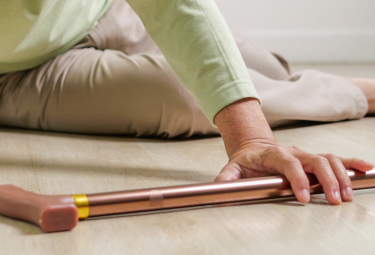
A simple accident like tripping on a rug or slipping on a wet floor can change your life. If you fall, you could break a bone, which thousands of older adults experience each year. For older people, a broken bone can also be the start of more serious health problems and can lead to long-term disability.

If you or an older adult in your life has fallen, you’re not alone. More than one in four people age 65 years or older fall each year. The risk of falling — and fall-related problems — rises with age. However, many falls can be prevented. For example, exercising, managing your medications, having your vision checked, and making your home safer are all steps you can take to prevent a fall.

Many older adults fear falling, even if they haven’t fallen before. This fear may lead them to avoid activities such as walking, shopping, or taking part in social activities. But staying active is important to keeping your body healthy and actually helps to prevent falls. So don’t let a fear of falling keep you from being active! Learn about what causes falls and how to lower your risk of falling so you can feel more comfortable with staying active.

What causes falls in older adults?

Many things can cause a fall.

  • Your eyesight, hearing, and reflexes might not be as sharp as they were when you were younger.
  • Certain conditions, such as diabetes, heart disease, or problems with your thyroid, nerves, feet, or blood vessels can affect your balance and lead to a fall.
  • Conditions that cause rushed movement to the bathroom, such as incontinence, may also increase the chance of falling.
  • Older adults with mild cognitive impairment or certain types of dementia are at higher risk of falling.
  • Age-related loss of muscle mass (known as sarcopenia), problems with balance and gait, and blood pressure that drops too much when you get up from lying down or sitting (called postural hypotension) are all risk factors for falling.
  • Foot problems that cause pain, and unsafe footwear such as backless shoes or high heels, can also increase your risk of falling.
  • Some medications can increase a person’s risk of falling because they cause side effects such as dizziness or confusion. The more medications you take, the more likely you are to fall.
  • Safety hazards in the home or community environment can also cause falls.

Steps to take to prevent falls

If you take care of your overall health, you may have a lower chance of falling. Most of the time, falls and accidents don’t just happen for no reason. Here are a few tips to help lessen your risk of falls and broken bones, also known as fractures:

  • Stay physically active. Plan an exercise program that is right for you. Regular exercise improves muscles and makes you stronger. Exercise also helps keep your joints, tendons, and ligaments flexible. Mild weight-bearing activities, such as walking or climbing stairs, may slow bone loss from osteoporosis, a disease that makes bones weak and more likely to break
  • Try balance and strength training exercises. Yoga, Pilates, and tai chi can all improve balance and muscle strength. You can also try lifting weights or using resistance bands to build strength. Learn more about different types of exercises to improve balance and strength.
  • Fall-proof your home. Check out these tips for changes you can make to your home that will help you avoid falls and ensure your safety.
  • Have your eyes and hearing tested. Even small changes in sight and hearing are linked to an increased risk for falls. When you get new eyeglasses or contact lenses, take time to get used to them. Wear your glasses or contacts as your eye doctor advises. If you have a hearing aid, be sure it fits well and wear it.
  • Find out about the side effects of any medicines you take. If a drug makes you sleepy or dizzy, tell your doctor or pharmacist.
  • Get enough sleep. If you are tired, you are more likely to fall.
  • Avoid or limit alcohol. Too much alcohol can lead to balance problems and falls, which can result in hip or arm fractures and other injuries.
  • Stand up slowly. Getting up too quickly can cause your blood pressure to drop. That can make you feel wobbly. Get your blood pressure checked when lying and standing.
  • Use an assistive device if you need help feeling steady when you walk. Using canes and walkers correctly can help prevent falls. If your doctor tells you to use a cane or walker, make sure it’s the right size for you. Walker wheels should roll smoothly. If you borrow walking support equipment from a friend, ask your health care provider to make sure the equipment is the correct size and is safe to use. This is exceptionally important when you’re walking in areas you don’t know well or where the walkways are uneven. A physical or occupational therapist can help you decide which devices might be helpful and teach you how to use them safely.
  • Take extra caution when walking on wet or icy surfaces. These can be very slippery! Use an ice melt product or sand to clear icy areas by your doors and walkways.
  • Keep your hands free. Use a shoulder bag, fanny pack, or backpack to leave your hands free to hold on to railings.
  • Choose the right footwear. To fully support your feet, wear nonskid, rubber-soled, low-heeled shoes. Don’t walk on stairs or floors in socks or in shoes and slippers with smooth soles.
  • Consider staying inside when the weather is bad. Some community services provide 24-hour delivery of prescriptions and groceries, and many take orders over the phone.
  • Always tell your doctor if you have fallen since your last check-up, even if you did not feel pain when you fell. A fall can alert your doctor to a new medical problem or issues with your medications or eyesight that can be corrected. Your doctor may suggest physical therapy, a walking aid, or other steps to help prevent future falls.

What to do if you fall

Whether you are at home or somewhere else, a sudden fall can be startling and upsetting. If you do fall, stay as calm as possible and take the following steps:

  • Breathe. Take several deep breaths to try to relax. Remain still on the floor or ground for a few moments. This will help you get over the shock of falling.
  • Decide if you are hurt. Getting up too quickly or in the wrong way could make an injury worse.
  • Crawl to a sturdy chair. If you think you can get up safely without help, roll over onto your side. Rest again while your body and blood pressure adjust. Slowly get up on your hands and knees, and crawl to a sturdy chair.
  • Slowly sit down in the chair. Put your hands on the chair seat and slide one foot forward so that it’s flat on the floor. Keep the other leg bent so the knee is on the floor. From this kneeling position, slowly rise and turn your body to sit in the chair.
  • Get help. If you are hurt or cannot get up on your own, ask someone for help or call 911. If you are alone, try to get into a comfortable position and wait for help to arrive. Prepare for a fall by keeping a well-charged cordless or mobile phone with you at all times and arrange for daily contact with a family member or friend. Emergency response systems are another option: These systems enable you to push a button on a special necklace or bracelet to call for help. Some smartwatches also have this feature.

Keep your bones strong to prevent fall-related fractures

Having healthy bones won’t necessarily prevent a fall, but if you do fall, healthy bones may help prevent serious injury, such as breaking a hip or other bone. Bone breaks and fracture can lead to a hospital or nursing home stay, long-term disability, or even death. Getting enough calcium and vitamin D can help keep your bones strong. So can staying active. Try to get at least 150 minutes per week of physical activity.

Other ways to maintain bone health include quitting smoking and avoiding or limiting alcohol use. Tobacco and alcohol use may decrease your bone mass and increase your chance of fractures. Additionally, try to maintain a healthy weight. Being underweight increases the risk of bone loss and broken bones.

Osteoporosis is a disease that weakens bones, making them thin and brittle. For people with osteoporosis, even a minor fall may be dangerous. Talk to your doctor about osteoporosis.

Falls are a common reason for trips to the emergency room and for hospital stays among older adults. Many of these hospital visits are for fall-related fractures. You can help lower your risk of fractures by keeping your bones strong and following the tips above to avoid falls.

To learn more, please visit https://www.nia.nih.gov/health/falls-and-falls-prevention/falls-and-fractures-older-adults-causes-and-prevention.