
Follow Carter Nursing and Rehabilitation on Facebook! Click Here

To see a list of frequently asked questions please Click Here

Carter | Nursing & Rehabilitation

Latest News

Latest News

Healthy Eating As You Age: Know Your Food Groups

December 29, 2025

Healthy Eating As You Age: Know Your Food Groups

Making smart food choices is an important part of healthy aging. Understanding the different food groups — and how much of each should make up your diet — can help you form a healthy eating pattern over time. This article describes the main food groups and other important nutrients recommended for older adults in the Dietary Guidelines for Americans (PDF, 30.6M). We also provide suggestions for how to fit occasional treats into your healthy eating pattern.

It is important to get the recommended amount of each food group without going over your daily recommended calories. Keep in mind that the amount you should eat to maintain your weight depends on your age, sex, and level of physical activity.

Main food groups

Vegetables

Vegetables come in a wide variety of colors, flavors, and textures. They contain vitamins and minerals, carbohydrates, and are an important source of fiber. The vegetable food group includes dark green vegetables, red and orange vegetables, starchy vegetables, and legumes (beans and peas).

Dark green vegetables include broccoli, collard greens, spinach, and kale. Red and orange vegetables include acorn squash, carrots, pumpkin, tomato, and sweet potato. Starchy vegetables include corn, green peas, and white potatoes. Other vegetables include eggplant, beets, cauliflower, Brussels sprouts, celery, artichokes, green beans, and onions. Legumes include black beans, garbanzo beans (chickpeas), kidney beans, soybeans, and tofu. Legumes can also be counted in the protein foods group.

1/2 cup-equivalent of vegetables equals:

  • Cup of uncooked leafy vegetables
    1 cup uncooked spinach
  • Six baby carrots or one medium carrot
    6 baby carrots
  • kidney beans
    1/2 cup cooked kidney beans
  • Five broccoli florets
    1/2 cup broccoli florets
  • Half of a large (3 x 4-inch) red pepper
    1/2 large (3-inch diameter, 3-3/4 inch long) red pepper
  • Half cup cooked green beans
    1/2 cup cooked green beans

See more foods in the vegetable group.

Fruits

Fruits bring color, flavor, and important nutrients to your diet. There are so many choices — citrus fruits like oranges and grapefruits; different kinds of berries; fruits that grow on trees, such as apricots, cherries, peaches, and mangoes; and others like figs, grapes, and pineapples.

According to the Dietary Guidelines (PDF, 30.6M), older Americans generally do not eat enough fruit. Adding more fruit to your diet can have significant benefits for overall health. Fruits, like vegetables, contain carbohydrates and provide extra fiber that helps keep your digestive system moving. For even more fiber, eat fruits with the skin on — just make sure you wash all fruits thoroughly before eating. Although 100% fruit juice also counts toward this category, at least half of the fruits you eat should be whole fruits. When purchasing frozen, canned, or dried fruit, choose options that are lowest in added sugars.

1/2 cup-equivalent of fruit equals:

  • Small piece of fruit such as a 2-inch peach
    1 small piece fruit, such as a 2-inch peach or large plum
  • Quarter cup dried fruit
    1/4 cup dried fruit
  • One-eighth of a medium cantaloupe
    1/8 medium cantaloupe
  • Four ounces of 100% fruit juice
    1/2 cup 100% orange juice
  • Half a medium grapefruit
    1/2 medium grapefruit
  • Sixteen grapes
    1/2 cup grapes

See more foods in the fruit group.

Grains

Any food made from wheat, rye, rice, oats, cornmeal, barley, or other cereal grain is a grain product. This includes bread and pasta, breakfast cereal, grits, tortillas, and even popcorn. Grains — along with fruits, vegetables, and dairy — contain carbohydrates, the body’s main source of energy.

Read food labels to find grain choices that are low in saturated fat and added sugar. Be especially wary of options labeled “low-fat,” which can be high in added sugar.

At least half the grain foods you eat should be whole grains. Whole grains provide iron and many B vitamins, and they have fiber, too. Examples of whole grains include whole wheat, whole oats, whole bulgur (also known as cracked wheat), and whole cornmeal.

Some grain products are refined, which gives them a finer texture and a longer shelf life but removes fiber and nutrients. Most refined grains are enriched, which means that some nutrients are added back after processing. Examples of refined grain products include white flour, degermed cornmeal, white bread, and white rice.

1 ounce-equivalent of grain equals:

  • Slice of bread
    1 slice bread
  • Small (2-1/2-inch) muffin
    1 small (2-1/2-inch diameter) muffin
  • Cup flaked cereal
    1 cup breakfast cereal (flakes, rounds, or puffed)
  • Half cup cooked rice, pasta, or cooked cereal
    1/2 cup cooked cereal, rice, or pasta
  • Three cups popcorn
    3 cups popcorn
  • 6-inch corn or flour tortilla
    1 small (6-inch diameter) corn or flour tortilla

See more foods in the grain group.

Protein foods

Proteins are often called the body’s building blocks. They are used to build and repair tissues, and also help your body fight infection. Your body uses extra protein for energy. Older adults should try to eat a variety of nutrient-dense proteins. Choose lean (low-fat) meats and poultry. Keep in mind that you can also get protein from seafood, eggs, beans, nuts, seeds, and soy products. Protein from plant sources tends to be lower in saturated fat, contains no cholesterol, and provides fiber and other health-promoting nutrients. Plant sources of protein, such as nuts and seeds, have different nutritional value than plant-based meat alternatives, which can be heavily processed and high in sodium.

The Dietary Guidelines (PDF, 30.6M) recommend that you eat 8 to 10 ounces per week of a variety of seafood, not only for the protein but also because seafood contains omega-3 fatty acids, such as EPA and DHA, which are good for your heart. Seafoods that are higher in EPA and DHA include salmon, anchovies, and trout. These seafoods are also lower in mercury, which can be harmful, than other types of seafood.

1 ounce-equivalent equals:

  • 12 almonds or 7 walnut halves
    1/2 ounce nuts (12 almonds, 24 pistachios, or 7 walnut halves)
  • Tablespoon peanut butter
    1 tablespoon peanut butter
  • Half cup lentil or bean soup
    1/2 cup split pea, lentil, or other bean soup
  • Quarter cup tofu
    1/4 cup tofu
  • One Egg
    1 egg
  • Two tablespoons hummus
    2 tablespoons hummus

See more foods in the protein group.

Dairy

Consuming dairy helps older adults maintain strong bones and provides several vital nutrients, including calcium, potassium, and vitamin D. For your heart health, pick from the many low-fat or fat-free choices in the dairy group. These give you important vitamins and minerals, with less fat. Certain fortified dairy alternatives can provide similar nutritional content to dairy.

1 cup-equivalent of dairy equals:

  • Cup or 8 ounces yogurt
    1 cup yogurt
  • 1-1/2 ounces hard cheese, such as cheddar, mozzarella, Swiss, or Parmesan
    1-1/2 ounces hard cheese, such as cheddar, mozzarella, Swiss, or Parmesan
  • Third cup shredded cheese
    1/3 cup shredded cheese
  • Cup calcium-fortified soy beverage
    1 cup milk or calcium-fortified soy beverage
  • Two cups cottage cheese
    2 cups cottage cheese
  • Cup pudding made with milk
    1 cup pudding made with milk

See more foods in the dairy group.

Other foods

Some foods are not in any of the main food groups. These include oils, which can be eaten regularly as part of a healthy diet, as well as unhealthy fats, sugars, and calories from drinks, which should only be consumed occasionally. There is no recommended daily intake amount in cups or ounces for these products. Limiting the calories you consume from this category can help keep your healthy eating habits on track.

Oils & solid fats

Oils are high in calories, but they are also an important source of nutrients like vitamin E. For older adults, the daily allowance of oils ranges from 5 to 8 teaspoons, depending on activity level. Oils contain monounsaturated and polyunsaturated fats, which are healthy fats that give you energy and help the body absorb certain vitamins.

Measuring your daily oils can be tricky — knowing what you add while cooking or baking is one thing, but oil is naturally a part of some foods.

Teaspoons of oil:

  • Half a medium avocado has three teaspoons of oil
    1/2 medium avocado has 3 teaspoons of oil
  • Four large ripe olives have half teaspoon of oil
    4 large ripe olives have 1/2 teaspoon of oil
  • Tablespoon of peanut butter has two teaspoons of oil
    1 tablespoon of peanut butter has 2 teaspoons of oil

See more oil equivalents.

In general, try to use oils instead of solid fats, such as butter or lard, which are high in saturated fat. Saturated fats occur naturally in some foods, but they are also added to foods such as baked goods and potato chips. To lower the saturated fat in your diet, eat low-fat or fat-free dairy products, choose cuts of meat with less fat, and remove the skin from chicken. Reading the Nutrition Facts label can help you keep track of how much saturated fat you consume.

Limit the consumption of foods high in added sugar, which include sweetened cereals, highly processed snack foods such as cookies and cakes, dairy desserts, and many items marketed as low-fat. Read the ingredient list to see if the food you are eating has added sugar. Some key words to look for: brown sugar, corn sweetener, corn syrup, dextrose, fructose, and high-fructose corn syrup.

Beverages

Although many beverages can be part of a healthy eating pattern, some add calories without adding nutritional value and you should avoid them. Beverages that are calorie-free — especially water — or that contribute beneficial nutrients, such as fat-free and low-fat milk and 100% juice, should be the primary beverages you consume.

Coffee and tea. Drinking coffee or tea barely provides any calories unless you add sugar or cream, which are not nutrient-dense and should be consumed in moderation. Be cautious when ordering drinks from coffee shops because these are often loaded with extra sugars and fats.

Sweetened beverages. Examples of beverages that often have added sugars are soda, fruit drinks, sports drinks, energy drinks, and sweetened waters. Most sweetened beverages do not contribute to meeting food group goals and often contain a high number of calories.

Alcohol. Alcohol is not nutrient-dense and is not part of the healthy eating patterns recommended in the Dietary Guidelines. If you consume alcohol, do so in moderation, defined as one drink or less per day for women and two drinks or less per day for men.

Calories from sugars, saturated fats, and drinks can add up quickly. As these foods provide no nutritional benefit, they should only be consumed on occasion and in limited amounts.

To learn more, please visit https://www.nia.nih.gov/health/healthy-eating-nutrition-and-diet/healthy-eating-you-age-know-your-food-groups.

Getting Your Affairs in Order Checklist: Documents to Prepare for the Future

December 22, 2025

No one ever plans to be sick or disabled. Yet, planning for the future can make all the difference in an emergency and at the end-of-life. Being prepared and having important documents in a single place can give you peace of mind, help ensure your wishes are honored, and ease the burden on your loved ones.

Checklist for getting your affairs in order

This list provides common steps to consider when getting your affairs in order.

1. Plan for your estate and finances. Depending on your situation, you may choose to prepare different types of legal documents to outline how your estate and finances will be handled in the future. Common documents include a will, durable power of attorney for finances, and a living trust.

  • will specifies how your estate — your property, money, and other assets — will be distributed and managed when you die. A will can also address care for children under age 18, adult dependents, and pets, as well as gifts and end-of-life arrangements, such as a funeral or memorial service and burial or cremation. If you do not have a will, your estate will be distributed according to the laws in your state.
  • durable power of attorney for finances names someone who will make financial decisions for you when you are unable to.
  • living trust names and instructs a person, called the trustee, to hold and distribute property and funds on your behalf when you are no longer able to manage your affairs.

2. Plan for your future health care. Many people choose to prepare advance directives, which are legal documents that provide instructions for medical care and only go into effect if you cannot communicate your own wishes due to disease or severe injury. The most common advance directives include a living will and a durable power of attorney for health care.

  • living will tells doctors how you want to be treated if you cannot make your own decisions about emergency treatment. You can say which common medical treatments or care you would want, which ones you would want to avoid, and under which conditions each of your choices applies. Learn how to prepare a living will.
  • durable power of attorney for health care names your health care proxy, a person who can make health care decisions for you if you are unable to communicate these yourself. Your proxy — also known as a representative, surrogate, or agent — should be familiar with your values and wishes. A proxy can be chosen in addition to or instead of a living will. Having a health care proxy helps you plan for situations that cannot be foreseen, such as a serious auto accident or stroke. Learn how to choose a health care proxy.

These documents are part of advance care planning, which involves preparing for future decisions about your medical care and discussing your wishes with your loved ones.

3. Put your important papers and copies of legal documents in one place. You can set up a file, put everything in a desk or dresser drawer, or list the information and location of papers in a notebook. For added security, you might consider getting a fireproof and waterproof safe to store your documents. If your papers are in a bank safe deposit box, keep copies in a file at home. View a list of important papers.

4. Tell someone you know and trust or a lawyer where to find your important papers. You don’t need to discuss your personal affairs, but someone you trust should know where to find your papers in case of an emergency. If you don’t have a relative or friend you trust, ask a lawyer to help.

5. Talk to your loved ones and a doctor about advance care planning. A doctor can help you understand future health decisions you may face and plan the kinds of care or treatment you may want. Discussing advance care planning with your doctor is free through Medicare during your annual wellness visit. Private health insurance may also cover these discussions. Share your decisions with your loved ones to help avoid any surprises or misunderstandings about your wishes.

6. Give permission in advance for a doctor or lawyer to talk with your caregiver as needed. If you need help managing your care, you can give your caregiver permission to talk with your doctors, your lawyer, your insurance provider, a credit card company, or your bank. You may need to sign and return a form. Giving permission for your doctor or lawyer to talk with your caregiver is different from naming a health care proxy. A health care proxy can only make decisions if you are unable to communicate them yourself.

7. Review your plans regularly. It’s important to review your plans at least once each year and when any major life event occurs, like a divorce, move, or major change in your health.

Which documents do you need to have in place?

When you’re getting your affairs in order, it’s important to prepare and organize important records and files all in one place. Typically, you will want to include personal, financial, and health information. Remember, this is a starting place. You may have other information to add. For example, if you have a pet, you will want to include the name and address of your veterinarian.

Personal information
  • Full legal name
  • Social Security number
  • Legal residence
  • Date and place of birth
  • Names and addresses of spouse and children
  • Location of birth and death certificates and certificates of marriage, divorce, citizenship, and adoption
  • Employers and dates of employment
  • Education and military records
  • Names and phone numbers of religious contacts
  • Memberships in groups and awards received
  • Names and phone numbers of close friends, relatives, doctors, lawyers, and financial advisors
Financial information
  • Sources of income and assets (pension from your employer, IRAs, 401(k)s, interest, etc.)
  • Social Security information
  • Insurance information (life, long-term care, home, car) with policy numbers and agents’ names and phone numbers
  • Names of your banks and account numbers (checking, savings, credit union)
  • Investment income (stocks, bonds, property) and stockbrokers’ names and phone numbers
  • Copy of most recent income tax return
  • Location of most up-to-date will with an original signature
  • Liabilities, including property tax — what is owed, to whom, and when payments are due
  • Mortgages and debts — how and when they are paid
  • Location of original deed of trust for home
  • Car title and registration
  • Credit and debit card names and numbers
  • Location of safe deposit box and key
Health information
  • Current prescriptions (be sure to update this regularly)
  • Living will
  • Durable power of attorney for health care
  • Copies of any medical orders or forms you have (for example, a do-not-resuscitate order)
  • Health insurance information with policy and phone numbers
Who can help with getting your affairs in order?

You may want to talk with a lawyer about setting up a general power of attorney, durable power of attorney, joint account, or trust. Be sure to ask about the lawyer’s fees before you make an appointment.

You do not have to involve a lawyer in creating your advance directives for health care. Most states provide the forms for free, and you can complete them yourself. Learn more about completing an advance directive.

You should be able to find a directory of local lawyers on the internet or contact your local library, your local bar association for lawyers, or the Eldercare Locator. Your local bar association can also help you find what free legal aid options your state has to offer. An informed family member may be able to help you manage some of these issues.

What other decisions can you prepare for in advance?

Getting your affairs in order can also mean making decisions about organ donation and funeral arrangements, or what you want to happen to your body after you die. Deciding and sharing your decisions can help your loved ones during a stressful time and best ensure your wishes are understood and respected.

Organ donation and brain donation. When someone dies, their healthy organs and tissues may be donated to help someone else. You can register to be an organ donor when you renew your driver’s license or state ID at your local department of motor vehicles. You can also register online. Some people also choose to donate their brain to advance scientific research. It may be possible to donate organs for transplant as well as the brain for scientific research. Learn more about organ donation and brain donation.

Funeral arrangements. You can decide ahead of time what kind of funeral or memorial service you would like and where it will be held. You can also decide whether you would like to be buried or cremated and whether you want your body’s ashes kept by loved ones or scattered in a favorite place. Be sure and specify certain religious, spiritual, or cultural traditions that you would like to have during your visitation, funeral, or memorial service. You can make arrangements directly with a funeral home or crematory. Read these tips on planning a funeral. If you choose not to be embalmed or cremated, most states allow families to take care of transportation, preparation of the body, and other needed arrangements. Learn more about the burial options available in your state. Put your preferences in writing and give copies to your loved ones and, if you have one, your lawyer.

To learn more, please visit https://www.nia.nih.gov/health/advance-care-planning/getting-your-affairs-order-checklist-documents-prepare-future.

Pain: You Can Get Help

December 15, 2025
Phyllis’s Story

Phyllis loves playing with her grandchildren, working in the garden, and going to bingo games. But, at age 76, the constant knee pain from osteoarthritis is taking a toll. It keeps her awake at night and stops her from doing activities she enjoys. The pain’s getting to be too much to handle, but she doesn’t know what to do about it.

You’ve probably been in pain at one time or another. Maybe you’ve had a headache or bruise—pain that doesn’t last too long. But, many older people have ongoing pain from health problems like arthritis, diabetesshingles, or cancer.

Pain can be your body’s way of warning you that something is wrong. Always tell the doctor where you hurt and exactly how it feels.

Acute Pain and Chronic Pain

There are two kinds of pain. Acute pain begins suddenly, lasts for a short time, and goes away as your body heals. You might feel acute pain after surgery or if you have a broken bone, infected tooth, or kidney stone.

Pain that lasts for 3 months or longer is called chronic pain. This pain often affects older people. For some people, chronic pain is caused by a health condition such as arthritis. It may also follow acute pain from an injury, surgery, or other health issue that has been treated, like post-herpetic neuralgia after shingles.

Living with any type of pain can be hard. It can cause many other problems. For instance, pain can:

  • Get in the way of your daily activities
  • Disturb your sleep and eating habits
  • Make it difficult to continue working
  • Be related to depression or anxiety
  • Keep you from spending time with friends and family
Describing Pain

Many people have a hard time describing pain. Think about these questions when you explain how the pain feels:

  • Where does it hurt?
  • When did the pain start? Does it come and go?
  • What does it feel like? Is the pain sharp, dull, or burning? Would you use some other word to describe it?
  • Do you have other symptoms?
  • When do you feel the pain? In the morning? In the evening? After eating?
  • Is there anything you do that makes the pain feel better or worse? For example, does using a heating pad or ice pack help? Does changing your position from lying down to sitting up make it better?
  • What medicines, including over-the-counter medications and non-medicine therapies have you tried, and what was their effect?

Your doctor or nurse may ask you to rate your pain on a scale of 0 to 10, with 0 being no pain and 10 being the worst pain you can imagine. Or, your doctor may ask if the pain is mild, moderate, or severe. Some doctors or nurses have pictures of faces that show different expressions of pain and ask you to point to the face that shows how you feel. Your doctor may ask you to keep a diary of when and what kind of pain you feel every day.

Attitudes About Pain

Everyone reacts to pain differently. Some people feel they should be brave and not complain when they hurt. Other people are quick to report pain and ask for help.

Worrying about pain is common. This worry can make you afraid to stay active, and it can separate you from your friends and family. Working with your doctor, you can find ways to continue to take part in physical and social activities despite having pain.

Some people put off going to the doctor because they think pain is part of aging and nothing can help. This is not true!

It is important to see a doctor if you have a new pain. Finding a way to manage pain is often easier if it is addressed early.

Treating Pain

Treating, or managing, chronic pain is important. Some treatments involve medications, and some do not. Your treatment plan should be specific to your needs.

Most treatment plans focus on both reducing pain and increasing ways to support daily function while living with pain.

Talk with your doctor about how long it may take before you feel better. Often, you have to stick with a treatment plan before you get relief. It’s important to stay on a schedule. Sometimes this is called “staying ahead” or “keeping on top” of your pain. Be sure to tell your doctor about any side effects. You might have to try different treatments until you find a plan that works for you. As your pain lessens, you can likely become more active and will see your mood lift and sleep improve.

Pain Specialist

Some doctors receive extra training in pain management. If you find that your regular doctor can’t help you, ask him or her for the name of a pain medicine specialist. A pain specialist may be a doctor, nurse, or anesthesiologist.

If you or a loved one is managing pain from cancer or other serious illness, ask to be seen by a palliative care specialist. These specialists are trained to manage pain and other symptoms for people with serious illnesses.

Medicines to Treat Pain

Your doctor may prescribe one or more of the following pain medications. Talk with your doctor about their safety and the right dose to take.

  • Acetaminophen may help all types of pain, especially mild to moderate pain. Acetaminophen is found in over-the-counter and prescription medicines. People who have more than three drinks per day or who have liver disease should not take acetaminophen.
  • Nonsteroidal anti-inflammatory drugs (NSAIDs) include aspirin, naproxen, and ibuprofen. Long-term use of some NSAIDs can cause side effects, like internal bleeding or kidney problems, which make them unsafe for many older adults. You may not be able to take ibuprofen if you have high blood pressure.
  • Narcotics (also called opioids) are used for moderate to severe pain and require a doctor’s prescription. They may be habit-forming. They can also be dangerous when taken with alcohol or certain other drugs. Examples of narcotics are codeine, morphine, and oxycodone.
  • Other medications are sometimes used to treat pain. These include antidepressants, anticonvulsive medicines, local painkillers like nerve blocks or patches, and ointments and creams.

As people age, they are at risk for developing more side effects from medications. It’s important to take exactly the amount of pain medicine your doctor prescribes. Don’t chew or crush your pills if they are supposed to be swallowed whole. Talk with your doctor or pharmacist if you’re having trouble swallowing your pills.

Mixing any pain medication with alcohol or other drugs can be dangerous. Make sure your doctor knows all the medicines you take, including over-the-counter drugs and dietary supplements, as well as the amount of alcohol you drink.

Remember: If you think the medicine is not working, don’t change it on your own. Talk to your doctor or nurse.

Can I Get Addicted to Pain Medicine?

Sometimes, strong medications called opioids are needed to control pain. Opioid pain relievers are generally safe when taken for a short time as prescribed by your doctor, but they can become addictive, especially if they are misused. Regular use can lead to dependence. Never take opioids in greater amounts or more often than prescribed.

Using opioids can also increase risk for fallsdizziness, and other ailments in older adults.

Becoming addicted to prescription pain medicine can happen to anyone, including older adults. Sometimes, these treatments are the only ones available that can help. But, sometimes other treatments can and should be tried first or can be used intermittently or simultaneously. So, ask your doctor if there is another medicine or a non-medicine alternative you can try. Tell your doctor if you or a family member has a history of alcohol or drug abuse.

For more information about opioid use, visit the Centers for Disease Control and Prevention’s website.

Opioid addiction can be treated. If you or someone close to you needs help for a substance use disorder, talk with your doctor, or contact the Substance Abuse and Mental Health Services Administration at 1-800-662-4357.

What Other Treatments Help with Pain?

In addition to drugs, there are a variety of complementary and alternative approaches that may provide relief. Talk to your doctor about these treatments. It may take both medicine and other treatments to feel better.

  • Acupuncture uses hair-thin needles to stimulate specific points on the body to relieve pain.
  • Biofeedback helps you learn to control your heart rate, blood pressure, muscle tension, and other body functions. This may help reduce your pain and stress level.
  • Cognitive behavioral therapy is a form of short-term counseling that may help reduce your reaction to pain.
  • Distraction can help you cope with acute pain, taking your mind off your discomfort.
  • Electrical nerve stimulation uses electrical impulses to relieve pain.
  • Guided imagery uses directed thoughts to create mental pictures that may help you relax, manage anxiety, sleep better, and have less pain.
  • Hypnosis uses focused attention to help manage pain.
  • Massage therapy can release tension in tight muscles.
  • Mind-body stress reduction combines mindfulness meditation, body awareness, and yoga to increase relaxation and reduce pain.
  • Physical therapy uses a variety of techniques to help manage everyday activities with less pain and teaches you ways to improve flexibility and strength.
Helping Yourself

There are things you can do yourself that might help you feel better. Try to:

  • Keep a healthy weight. Putting on extra pounds can slow healing and make some pain worse. A healthy weight might help with pain in the knees, back, hips, or feet.
  • Be physically active. Pain might make you inactive, which can lead to more pain and loss of function. Activity can help.
  • Get enough sleep. It can reduce pain sensitivity, help healing, and improve your mood.
  • Avoid tobacco, caffeine, and alcohol. They can get in the way of treatment and increase pain.
  • Join a pain support group. Sometimes, it can help to talk to other people about how they deal with pain. You can share your thoughts while learning from others.
Cancer Pain

Some people with cancer are more afraid of the pain than of the cancer. But most pain from cancer or cancer treatments can be controlled. As with all pain, it’s best to start managing cancer pain early. It might take a while to find the best approach.

One special concern in managing cancer pain is “breakthrough pain.” This is pain that comes on quickly and can take you by surprise. It can be very upsetting. After one attack, many people worry it will happen again. This is another reason to talk with your doctor about having a pain management plan in place.

Alzheimer’s Disease and Pain

People who have Alzheimer’s disease may not be able to tell you when they’re in pain. When you’re caring for someone with Alzheimer’s, watch for clues. A person’s face may show signs of being in pain or feeling ill. You may see a person frequently changing position or having trouble sleeping. You may also notice sudden changes in behavior such as increased agitation, crying, or moaning. Refusing to eat may be a sign that the person has tooth pain or other oral health issues. It’s important to find out if there is something wrong. If you’re not sure what to do, call the doctor for help.

Pain at the End of Life

Not everyone who is dying is in pain. But, if a person has pain at the end of life, there are ways to help. Experts believe it’s best to focus on making the person comfortable, without worrying about possible addiction or drug dependence. For more information, read Providing Comfort at the End of Life.

Caring for Someone in Pain

It’s hard to see a loved one hurting. Caring for a person in pain can leave you feeling tired and discouraged. To keep from feeling overwhelmed, you might consider asking other family members and friends for help. Or, some community service organizations might offer short-term, or respite, care. The Eldercare Locator might help you find a local group that offers this service.

Some Facts About Pain
  • Most people don’t have to live with pain. There are pain treatments. While not all pain can be cured, most pain can be managed. If your doctor has not been able to help you, ask to see a pain specialist.
  • The side effects from pain medicine are often manageable. Side effects from pain medicine like constipationdry mouth, and drowsiness may be a problem when you first begin taking the medicine. These problems can often be treated and may go away as your body gets used to the medicine.
  • Your doctor will not think you’re weak if you talk about your pain. If you’re in pain, tell your doctor so you can get help.
  • If you use pain medicine now, it will still work when you need it later. Using medicine at the first sign of pain may help control your pain later.
  • Pain is not “all in your head.” No one but you knows how your pain feels. If you’re in pain, talk with your doctor.

To learn more, please visit https://www.nia.nih.gov/health/pain/pain-you-can-get-help.

Discussing Health Decisions with Your Doctor

December 8, 2025

Ask About Different Treatment Options

You will benefit most from a treatment when you know what is happening and are involved in making decisions. Make sure you understand what your treatment involves and what it will or will not do. Have the doctor give you directions in writing and feel free to ask questions. For example: “What are the pros and cons of having surgery at this stage?” or “Do I have any other choices?”

If your doctor suggests a treatment that makes you uncomfortable, ask if there are other treatments that might work. If cost is a concern, ask the doctor if less expensive choices are available. The doctor can work with you to develop a treatment plan that meets your needs.

Here are some things to remember when deciding on a treatment:

  • Discuss different treatment choices. There are different ways to manage many health conditions, especially chronic conditions like high blood pressure and cholesterol. Ask what your options are.
  • Discuss risks and benefits of treatment options. Once you know your options, ask about the pros and cons of each one. Find out what side effects might occur, how long the treatment would continue, and how likely it is that the treatment will work for you.
  • Consider how a treatment may affect your life. When thinking about the pros and cons of a treatment, don’t forget to consider its impact on your overall life. For instance, will one of the side effects interfere with a regular activity that means a lot to you? Is one treatment choice expensive and not covered by your insurance? Doctors need to know about these practical matters so they can work with you to develop a treatment plan that meets your needs.

Questions to Ask About Treatment Options

  • Are there any risks associated with the treatment?
  • How soon should treatment start? How long will it last?
  • Are there other treatments available?
  • How much will the treatment cost? Will my insurance cover it?

Talking with Medical Specialists

Your doctor may send you to a specialist for further evaluation, or you may request to see a specialist yourself. Your insurance plan may require you to have a referral from your primary doctor. A visit to the specialist may be short. Often, the specialist already has seen your medical records or test results and is familiar with your case. If you are unclear about what the specialist tells you, ask questions.

For example, if the specialist says you have a medical condition that you aren’t familiar with, you may want to say something like: “I don’t know much about that condition. Could you explain what it is and how it might affect me?” or “I’ve heard that is a painful problem. What can be done to prevent or manage the pain?”

You also may ask for written materials to read, or you can call your primary doctor to clarify anything you haven’t understood.

Ask the specialist to send information about any diagnosis or treatment to your primary doctor. This allows your primary doctor to keep track of your medical care. You also should let your primary doctor know at your next visit how well any treatments or medications the specialist recommended are working.

Questions to Ask Your Specialist

  • What is my diagnosis?
  • What treatment do you recommend? How soon do I need to begin the new treatment?
  • Will you discuss my care with my primary doctor?

If You Need Surgery

In some cases, surgery may be the best treatment for your condition. If so, your doctor will refer you to a surgeon. Knowing more about the operation will help you make an informed decision about how to proceed. It also will help you get ready for the surgery, which makes for a better recovery.

Ask the surgeon to explain what will be done during the operation and what reading material, videos, or websites you can look at before the operation.

Find out if you will have to stay overnight in the hospital or if the surgery can be done on an outpatient basis. Will you need someone to drive you home? Minor surgeries that don’t require an overnight stay can sometimes be done at medical centers called ambulatory surgical centers.

Questions to Ask Your Surgeon

  • What is the success rate of the operation? How many of these operations have you done successfully?
  • What problems occur with this surgery? What kind of pain or discomfort can I expect?
  • What kind of anesthesia will I have? Are there any risks associated with its use in older people?
  • Will I have to stay in the hospital overnight? How long is recovery expected to take? What does it involve? When can I get back to my normal routine?

Do you have questions about palliative care and hospiceRead about how to care for the seriously ill.

Discuss How Prevention Can Improve Your Health

Doctors and other health professionals may suggest you change your diet, activity level, or other aspects of your life to help you deal with medical conditions. Research has shown that these changes, particularly an increase in exercise, have positive effects on overall health.

Until recently, preventing disease in older people received little attention. But, things are changing. We now know that it’s never too late to stop smokingimprove your diet, or start exercising. Getting regular checkups and seeing other health professionals, such as dentists and eye specialists, helps promote good health. Even people who have chronic diseases, like arthritis or diabetes, can prevent further disability and, in some cases, control the progress of the disease.

If a certain disease or health condition runs in your family, ask your doctor if there are steps you can take to help prevent it. If you have a chronic condition, ask how you can manage it and if there are things you can do to keep it from getting worse. If you want to discuss health and disease prevention with your doctor, say so when you make your next appointment. This lets the doctor plan to spend more time with you.

It is just as important to talk with your doctor about lifestyle changes as it is to talk about treatment. For example: “I know that you’ve told me to eat more dairy products, but they really disagree with me. Is there something else I could eat instead?” or “Maybe an exercise class would help, but I have no way to get to the senior center. Is there something else you could suggest?”

As with treatments, consider all the alternatives, look at pros and cons, and remember to take into account your own point of view. Tell your doctor if you feel his or her suggestions won’t work for you and explain why. Keep talking with your doctor to come up with a plan that works.

Many doctors now recommend that older people try to make physical activity a part of everyday life. When you are making your list of things to talk about with your doctor, add exercise. Ask how exercise would benefit you, if there are any activities you should avoid, and whether your doctor can recommend any specific kinds of exercise.

Start exercising with the links and free videos from NIA, developed specifically for older people.

Questions to Ask Your Doctor About Prevention

  • Is there any way to prevent a condition that runs in my family—before it affects me?
  • Are there ways to keep my condition from getting worse?
  • How will making a change in my habits help me?
  • Are there any risks in making this change?
  • Are there support groups or community services that might help me?
  • How to Evaluate Health Information Online
  • Many people search online to find information about medical problems and health issues. However, not all health information on the web is of equal quality. Read about how to find websites that are accurate and reliableDon’t forget to talk with your doctor about what you’ve learned online.

To learn more, please visit https://www.nia.nih.gov/health/medical-care-and-appointments/discussing-health-decisions-your-doctor.

Falls and Fractures in Older Adults: Causes and Prevention

December 2, 2025

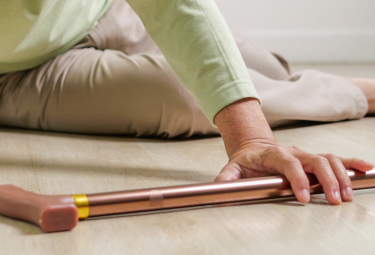
A simple accident like tripping on a rug or slipping on a wet floor can change your life. If you fall, you could break a bone, which thousands of older adults experience each year. For older people, a broken bone can also be the start of more serious health problems and can lead to long-term disability.

If you or an older adult in your life has fallen, you’re not alone. More than one in four people age 65 years or older fall each year. The risk of falling — and fall-related problems — rises with age. However, many falls can be prevented. For example, exercising, managing your medications, having your vision checked, and making your home safer are all steps you can take to prevent a fall.

Many older adults fear falling, even if they haven’t fallen before. This fear may lead them to avoid activities such as walking, shopping, or taking part in social activities. But staying active is important to keeping your body healthy and actually helps to prevent falls. So don’t let a fear of falling keep you from being active! Learn about what causes falls and how to lower your risk of falling so you can feel more comfortable with staying active.

What causes falls in older adults?

Many things can cause a fall.

  • Your eyesight, hearing, and reflexes might not be as sharp as they were when you were younger.
  • Certain conditions, such as diabetes, heart disease, or problems with your thyroid, nerves, feet, or blood vessels can affect your balance and lead to a fall.
  • Conditions that cause rushed movement to the bathroom, such as incontinence, may also increase the chance of falling.
  • Older adults with mild cognitive impairment or certain types of dementia are at higher risk of falling.
  • Age-related loss of muscle mass (known as sarcopenia), problems with balance and gait, and blood pressure that drops too much when you get up from lying down or sitting (called postural hypotension) are all risk factors for falling.
  • Foot problems that cause pain, and unsafe footwear such as backless shoes or high heels, can also increase your risk of falling.
  • Some medications can increase a person’s risk of falling because they cause side effects such as dizziness or confusion. The more medications you take, the more likely you are to fall.
  • Safety hazards in the home or community environment can also cause falls.

Steps to take to prevent falls

If you take care of your overall health, you may have a lower chance of falling. Most of the time, falls and accidents don’t just happen for no reason. Here are a few tips to help lessen your risk of falls and broken bones, also known as fractures:

  • Stay physically active. Plan an exercise program that is right for you. Regular exercise improves muscles and makes you stronger. Exercise also helps keep your joints, tendons, and ligaments flexible. Mild weight-bearing activities, such as walking or climbing stairs, may slow bone loss from osteoporosis, a disease that makes bones weak and more likely to break
  • Try balance and strength training exercises. Yoga, Pilates, and tai chi can all improve balance and muscle strength. You can also try lifting weights or using resistance bands to build strength. Learn more about different types of exercises to improve balance and strength.
  • Fall-proof your home. Check out these tips for changes you can make to your home that will help you avoid falls and ensure your safety.
  • Have your eyes and hearing tested. Even small changes in sight and hearing are linked to an increased risk for falls. When you get new eyeglasses or contact lenses, take time to get used to them. Wear your glasses or contacts as your eye doctor advises. If you have a hearing aid, be sure it fits well and wear it.
  • Find out about the side effects of any medicines you take. If a drug makes you sleepy or dizzy, tell your doctor or pharmacist.
  • Get enough sleep. If you are tired, you are more likely to fall.
  • Avoid or limit alcohol. Too much alcohol can lead to balance problems and falls, which can result in hip or arm fractures and other injuries.
  • Stand up slowly. Getting up too quickly can cause your blood pressure to drop. That can make you feel wobbly. Get your blood pressure checked when lying and standing.
  • Use an assistive device if you need help feeling steady when you walk. Using canes and walkers correctly can help prevent falls. If your doctor tells you to use a cane or walker, make sure it’s the right size for you. Walker wheels should roll smoothly. If you borrow walking support equipment from a friend, ask your health care provider to make sure the equipment is the correct size and is safe to use. This is exceptionally important when you’re walking in areas you don’t know well or where the walkways are uneven. A physical or occupational therapist can help you decide which devices might be helpful and teach you how to use them safely.
  • Take extra caution when walking on wet or icy surfaces. These can be very slippery! Use an ice melt product or sand to clear icy areas by your doors and walkways.
  • Keep your hands free. Use a shoulder bag, fanny pack, or backpack to leave your hands free to hold on to railings.
  • Choose the right footwear. To fully support your feet, wear nonskid, rubber-soled, low-heeled shoes. Don’t walk on stairs or floors in socks or in shoes and slippers with smooth soles.
  • Consider staying inside when the weather is bad. Some community services provide 24-hour delivery of prescriptions and groceries, and many take orders over the phone.
  • Always tell your doctor if you have fallen since your last check-up, even if you did not feel pain when you fell. A fall can alert your doctor to a new medical problem or issues with your medications or eyesight that can be corrected. Your doctor may suggest physical therapy, a walking aid, or other steps to help prevent future falls.

What to do if you fall

Whether you are at home or somewhere else, a sudden fall can be startling and upsetting. If you do fall, stay as calm as possible and take the following steps:

  • Breathe. Take several deep breaths to try to relax. Remain still on the floor or ground for a few moments. This will help you get over the shock of falling.
  • Decide if you are hurt. Getting up too quickly or in the wrong way could make an injury worse.
  • Crawl to a sturdy chair. If you think you can get up safely without help, roll over onto your side. Rest again while your body and blood pressure adjust. Slowly get up on your hands and knees, and crawl to a sturdy chair.
  • Slowly sit down in the chair. Put your hands on the chair seat and slide one foot forward so that it’s flat on the floor. Keep the other leg bent so the knee is on the floor. From this kneeling position, slowly rise and turn your body to sit in the chair.
  • Get help. If you are hurt or cannot get up on your own, ask someone for help or call 911. If you are alone, try to get into a comfortable position and wait for help to arrive. Prepare for a fall by keeping a well-charged cordless or mobile phone with you at all times and arrange for daily contact with a family member or friend. Emergency response systems are another option: These systems enable you to push a button on a special necklace or bracelet to call for help. Some smartwatches also have this feature.

Keep your bones strong to prevent fall-related fractures

Having healthy bones won’t necessarily prevent a fall, but if you do fall, healthy bones may help prevent serious injury, such as breaking a hip or other bone. Bone breaks and fracture can lead to a hospital or nursing home stay, long-term disability, or even death. Getting enough calcium and vitamin D can help keep your bones strong. So can staying active. Try to get at least 150 minutes per week of physical activity.

Other ways to maintain bone health include quitting smoking and avoiding or limiting alcohol use. Tobacco and alcohol use may decrease your bone mass and increase your chance of fractures. Additionally, try to maintain a healthy weight. Being underweight increases the risk of bone loss and broken bones.

Osteoporosis is a disease that weakens bones, making them thin and brittle. For people with osteoporosis, even a minor fall may be dangerous. Talk to your doctor about osteoporosis.

Falls are a common reason for trips to the emergency room and for hospital stays among older adults. Many of these hospital visits are for fall-related fractures. You can help lower your risk of fractures by keeping your bones strong and following the tips above to avoid falls.

To learn more, please visit https://www.nia.nih.gov/health/falls-and-falls-prevention/falls-and-fractures-older-adults-causes-and-prevention.